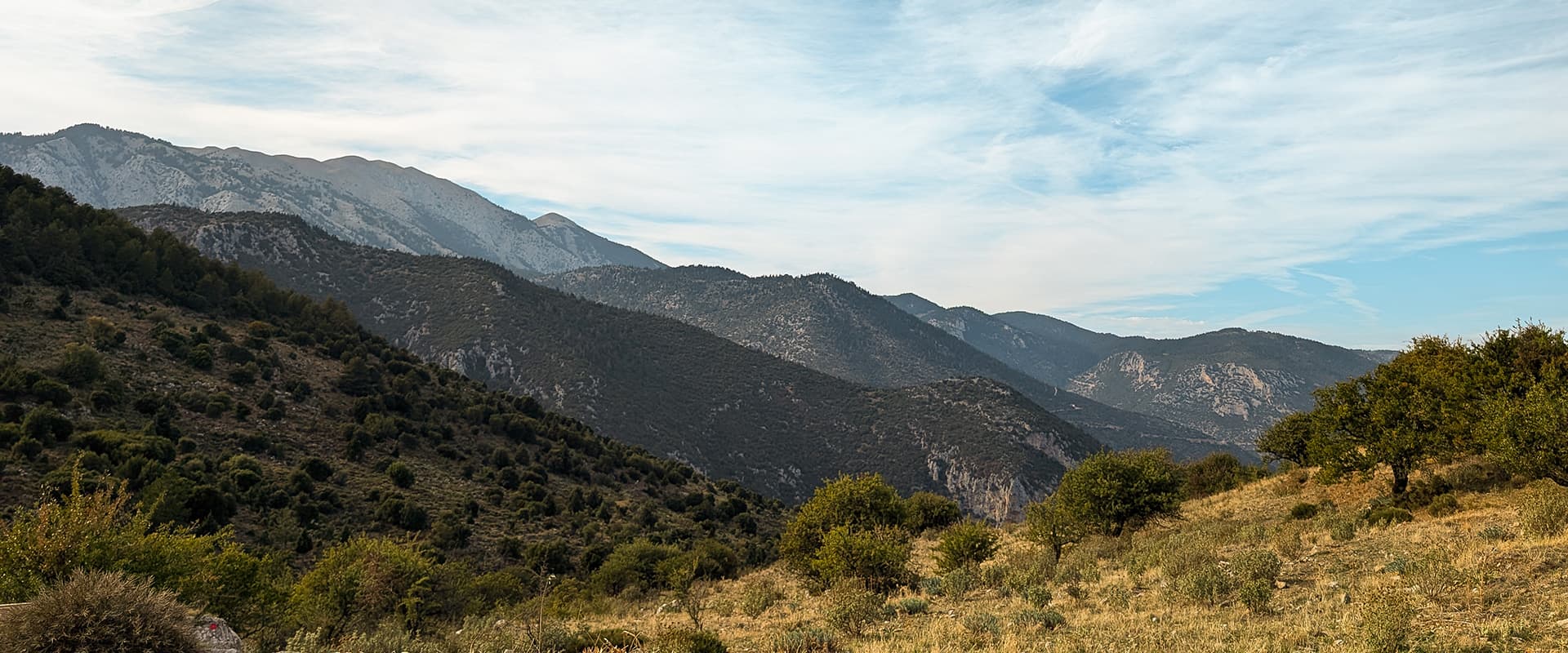
Mount Parnon (also known as Parnonas) is one of the most ecologically important mountain ranges in Greece. More than fifteen different habitat types exist there, supporting a large variety of plants and wildlife. Over eighty rare plant species have been recorded in the area, including several that are endemic to the Parnon. The forests are particularly diverse, with pine, fir, chestnut, oak, and plane trees. Much of the mountain is protected within the Natura 2000 network.
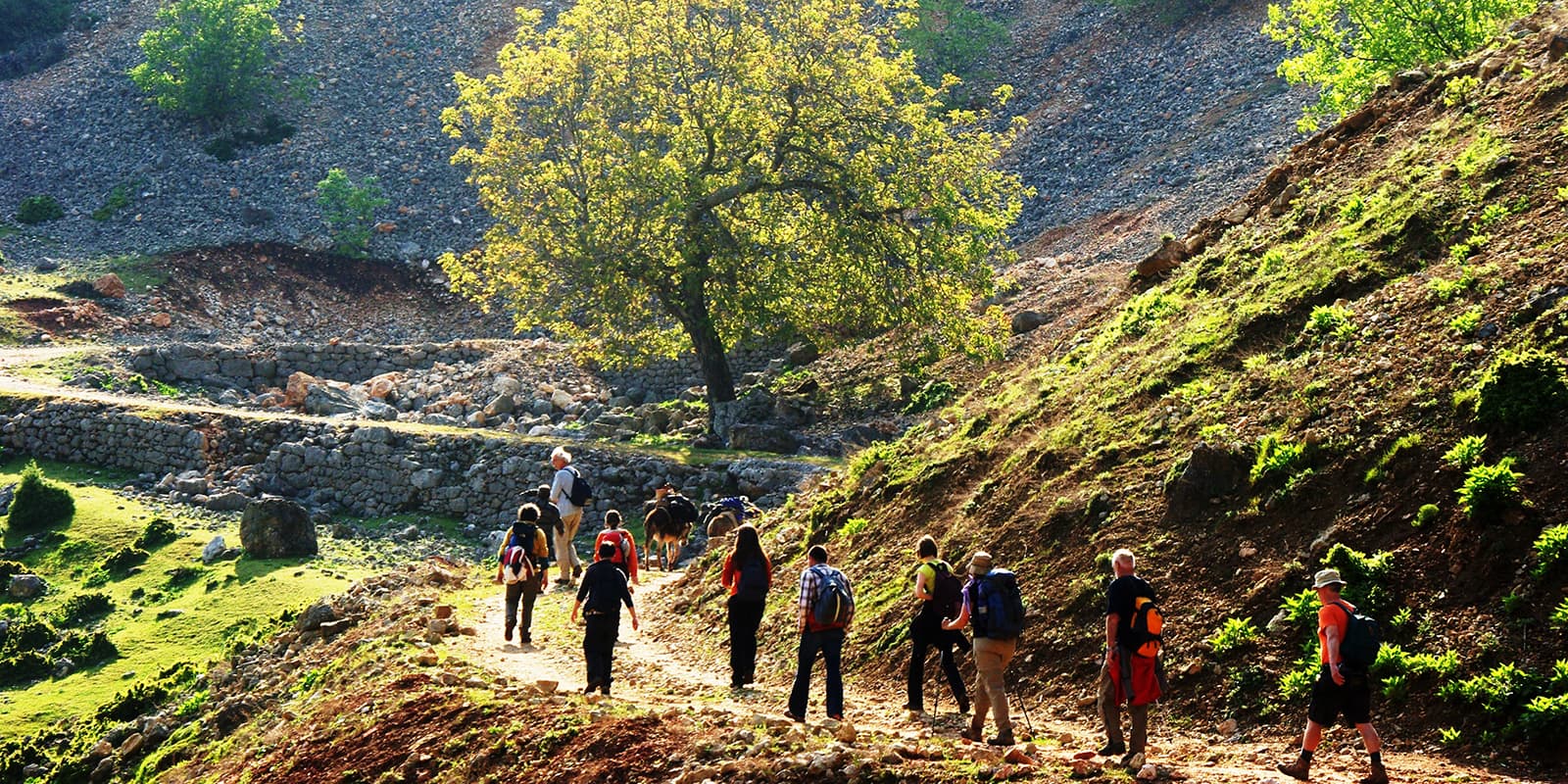
The first stage begins in the mountain village of Kosmas and follows old footpaths descending through small valleys and along seasonal streams. Sections of stone paving and old retaining walls show how these paths were once maintained and widely used. Along the way, the tower of Glyppia appears in the distance, standing out as a landmark in the landscape. The route alternates between shaded sections near water and more open terrain with views toward the surrounding mountains. The day ends in the village of Agios Vasilios, a small rural settlement surrounded by farmland and forested slopes.
The second stage begins with a walk through a dense Greek fir forest, typical of the higher parts of Parnon. The trail then reaches the historic village of Prastos, which once played an important role in the region as the capital of the Tsakonian region. From there, the route continues toward Mazia Gorge, a good place for a short rest before the final climb of the day.
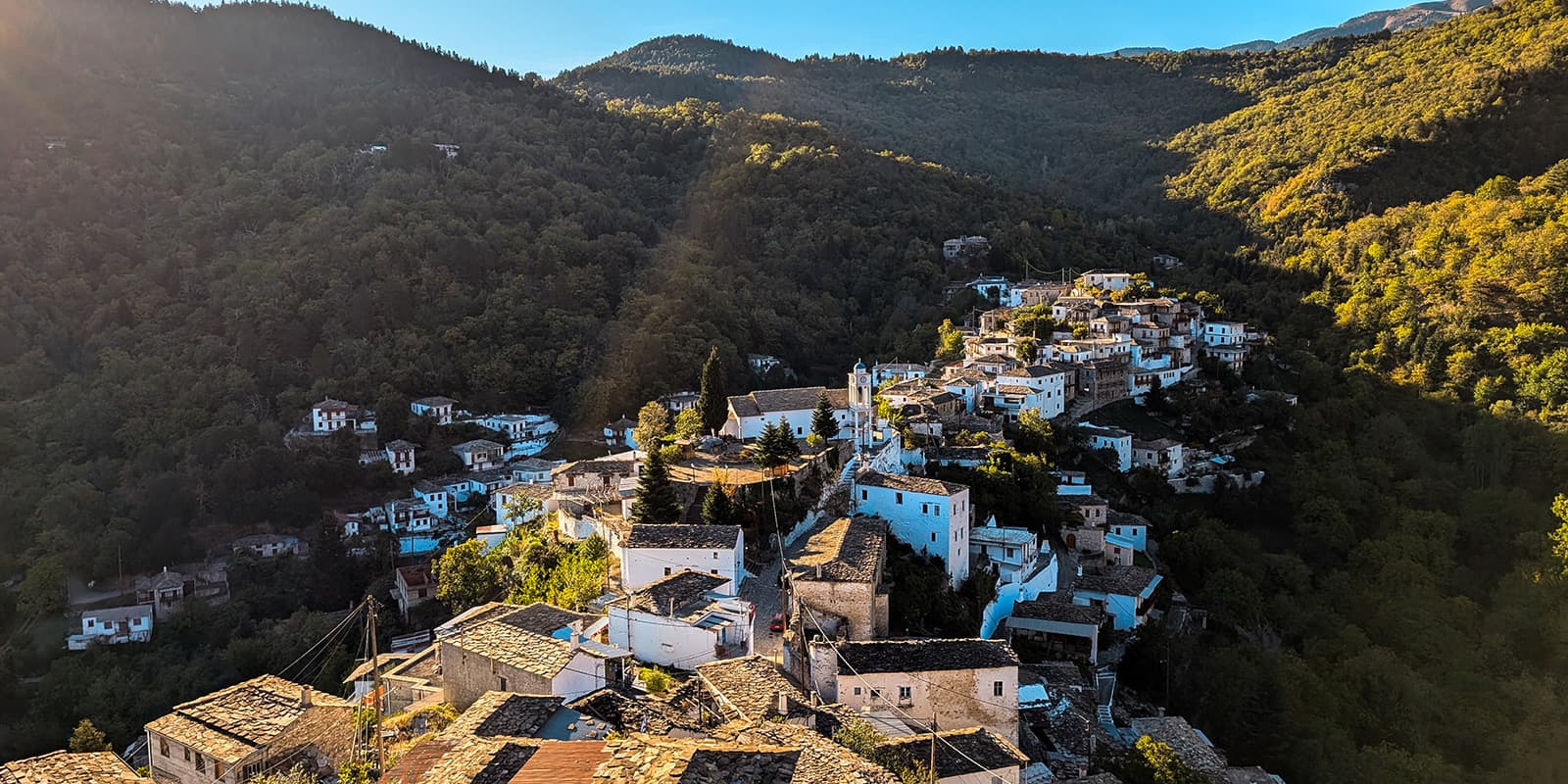
The ascent leads to Kastanitsa, one of the most distinctive villages in the area, where you will sleep. The houses are built from local stone, and many have the traditional slate roofs that characterize the village. Chestnut trees around the settlement reflect the long tradition of chestnut cultivation in the region.