About the The Bell Traverse

country
South Africa, Lesotho
length
45 km(28 mi)
Type of trail
Long-distance
difficulty

Difficulty is highly personal. Be aware of the weather conditions as bad weather turns easier trails in difficult trails especially in the mountains.

Strenuous
accommodation

Lodging means a mix of hotels, hostels or AirBnB’s.

Wild camping
Elevation gain
3000 m(9843 ft)
terrain
Mountains
remoteness
Some of the time
Show more

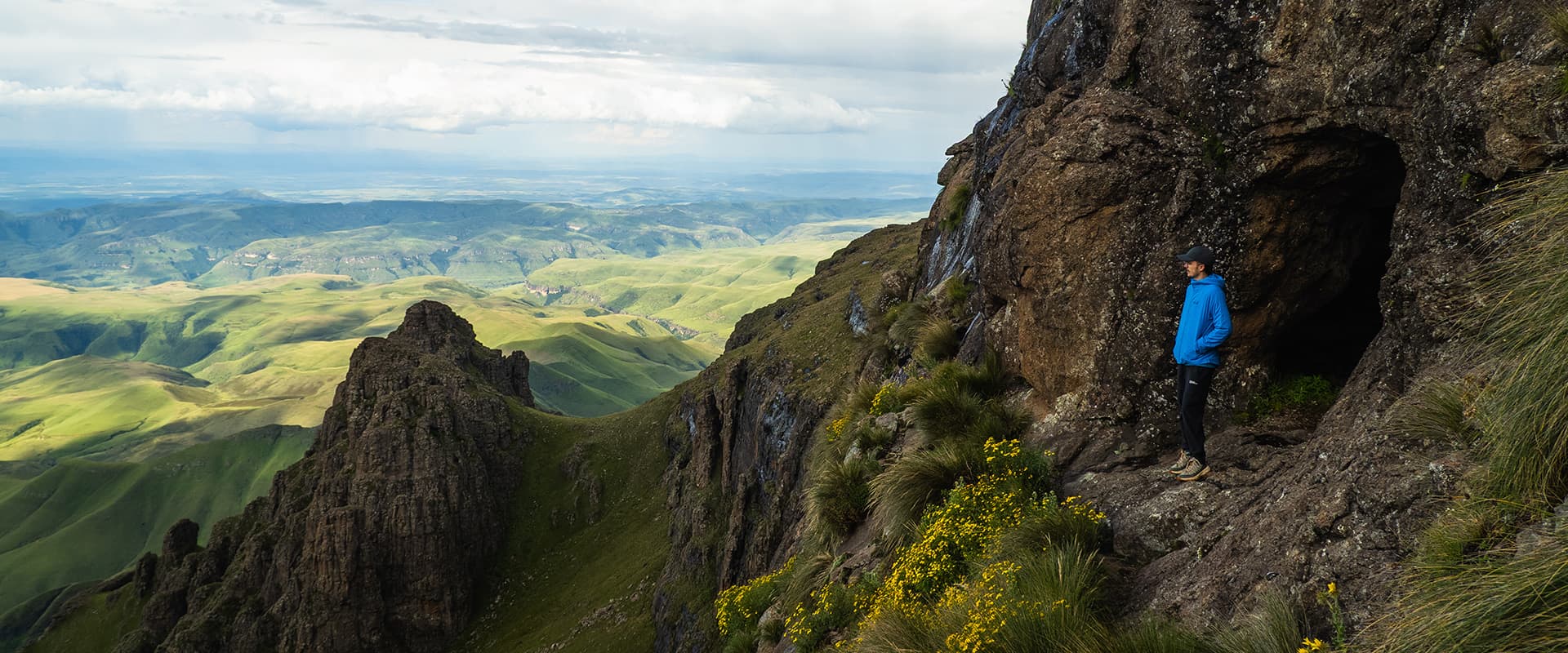
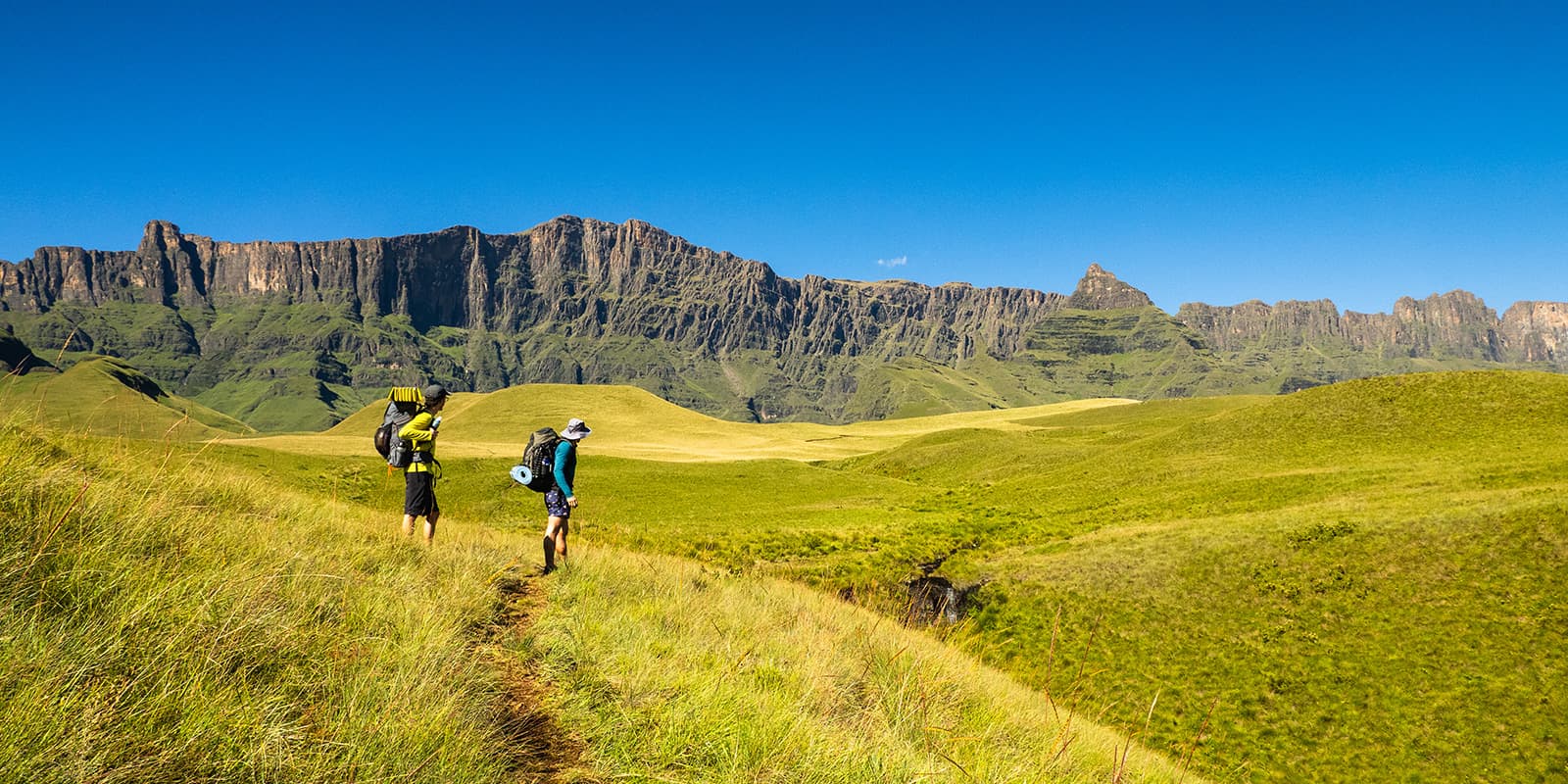
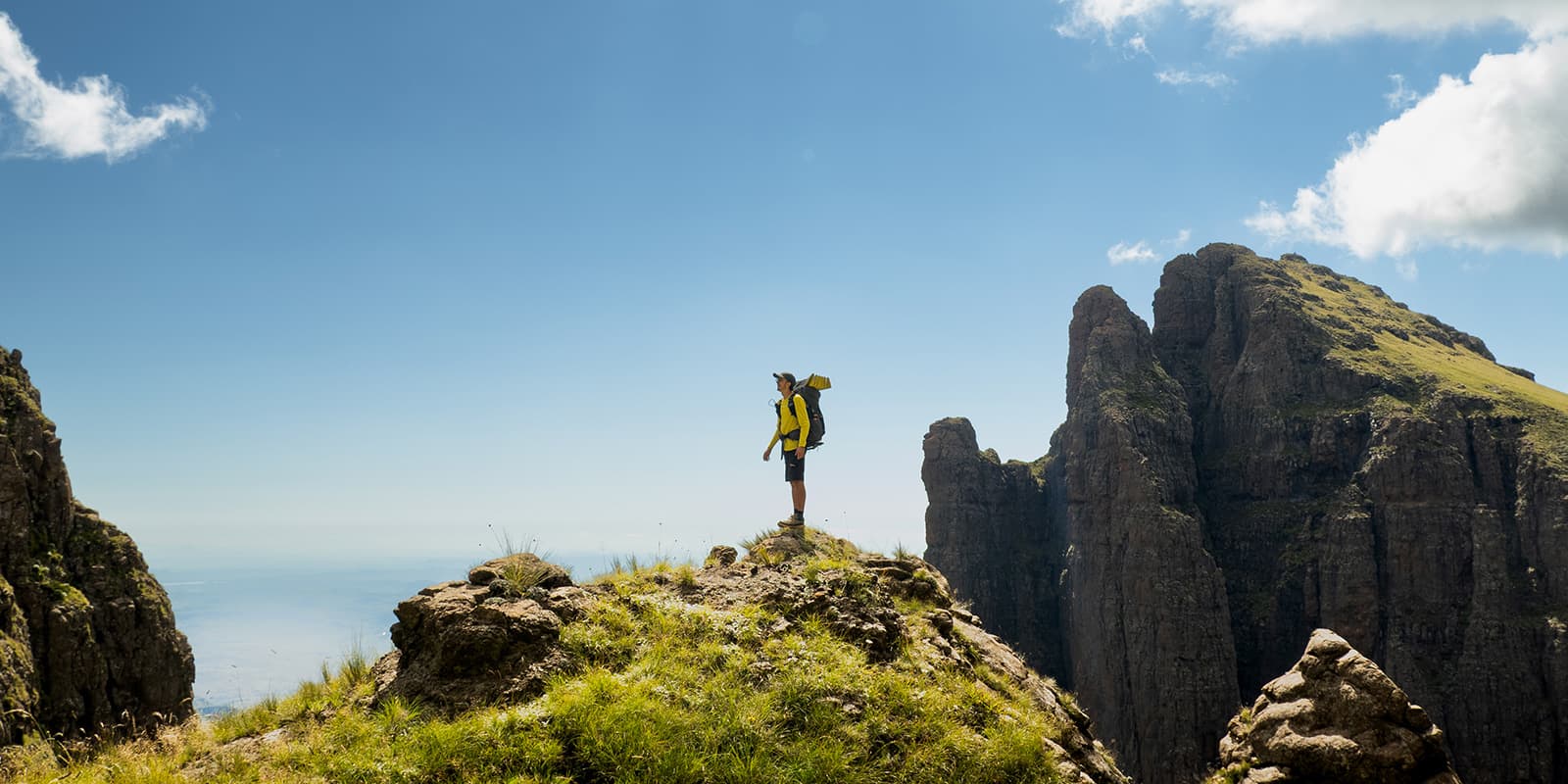
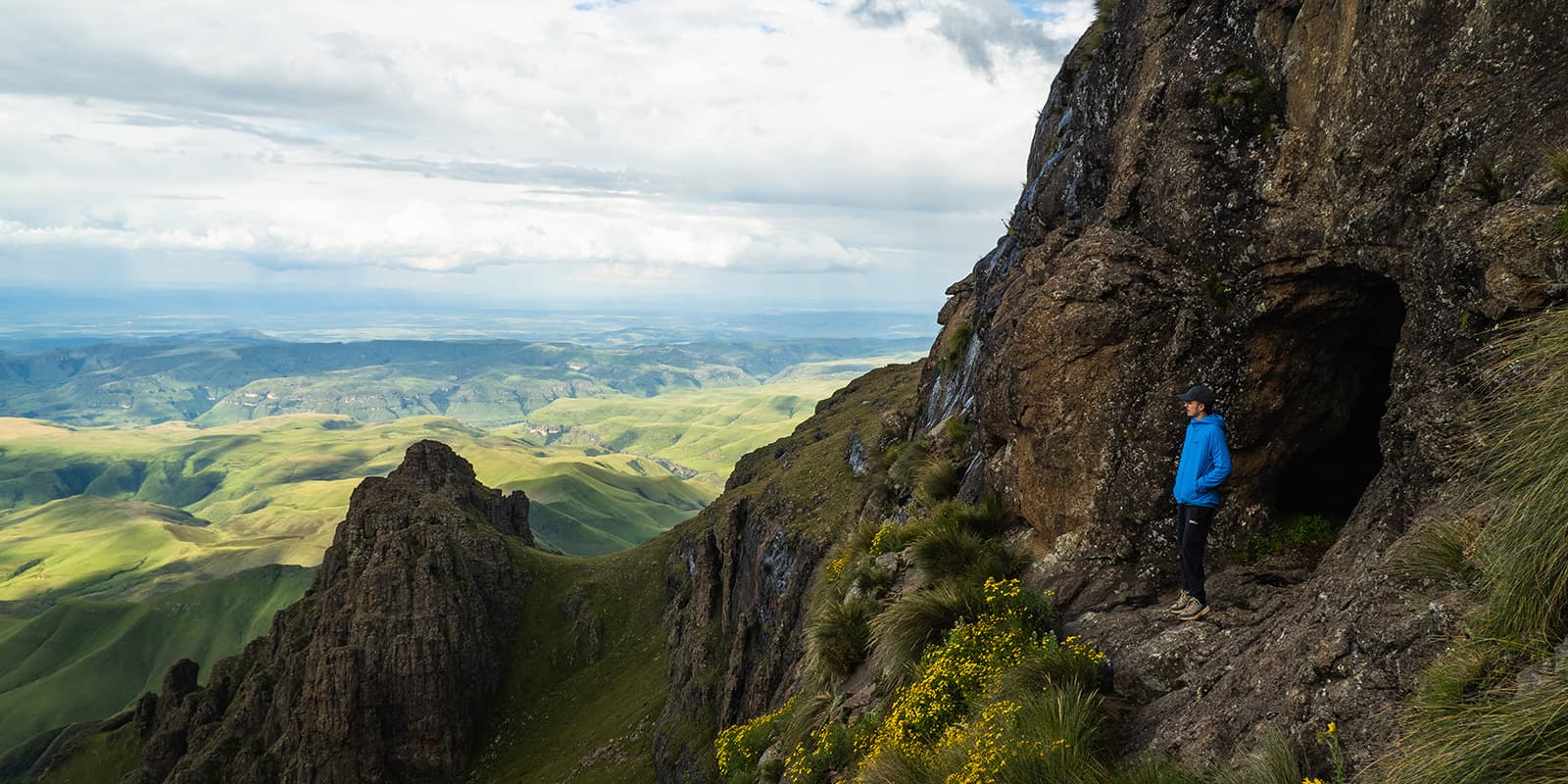
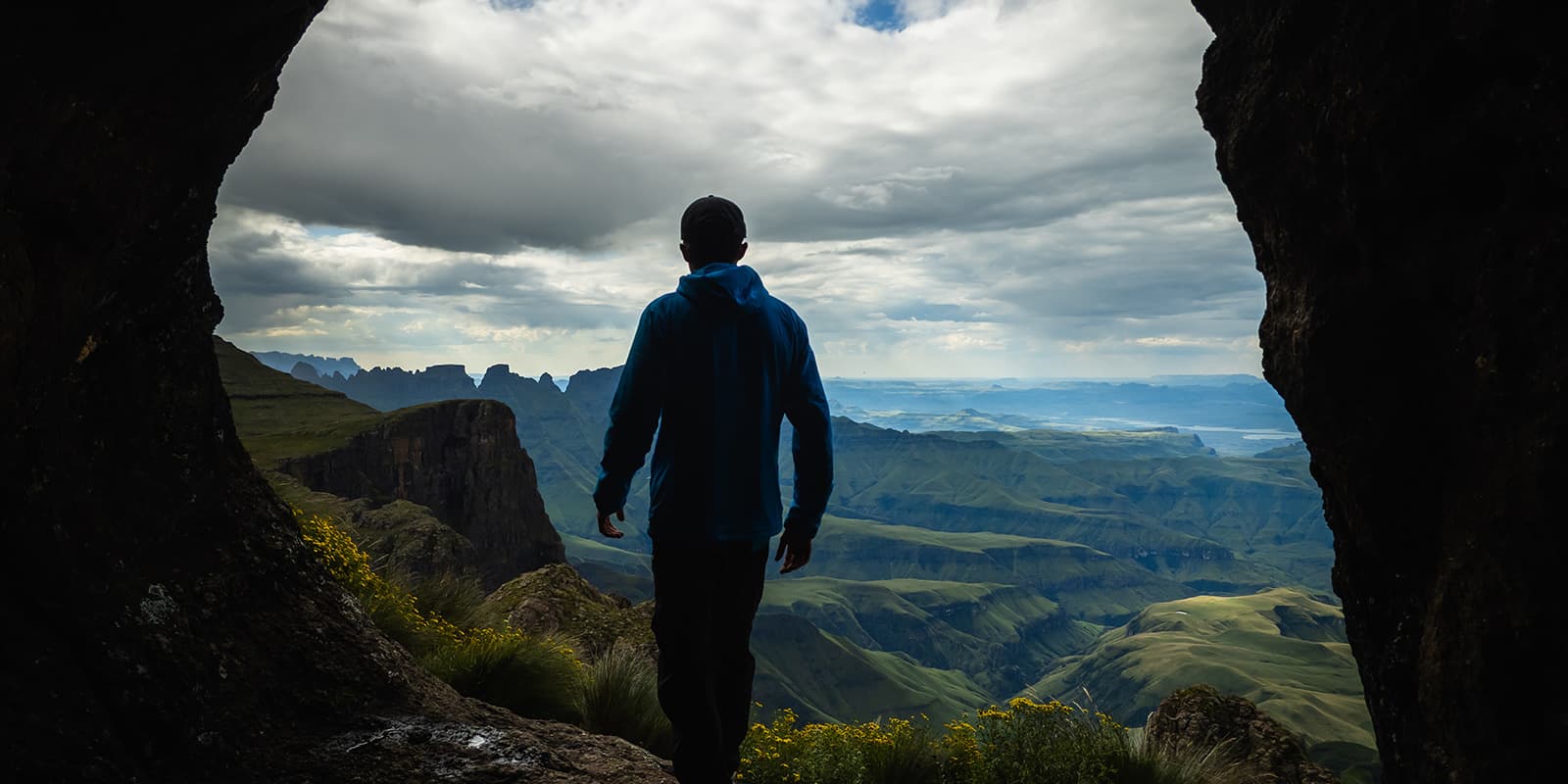
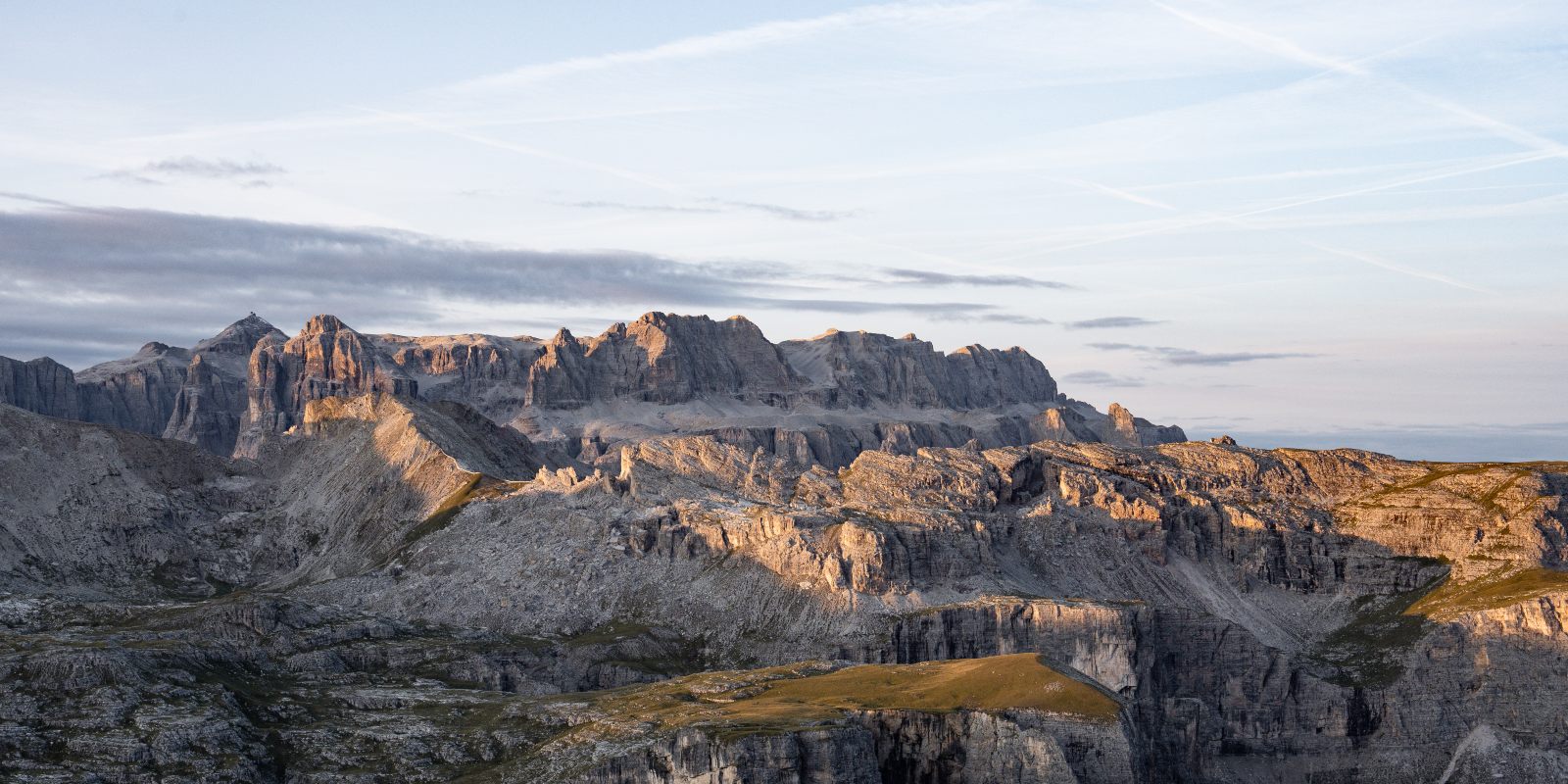
The Drakensberg is host to many of South Africa’s most epic hikes, like Giants Cup, Mnweni Cutback, and the crowning glory: Drakensberg Grand Traverse. But I’d argue that the Bell Traverse is the best hike in the range. The 3-4 days of this trail include many of the Drakensberg’s best views, sunset from Rolands Cave (if you can find it), sunrise while climbing Cleft Peak, and 360° views from the top of Cathedral Peak – and these are just some of the many highlights of the trail.

It would be easy to underestimate the Bell Traverse, at just 45 kilometers, it seems too short to take 3-4 days. But the combination of the 3000 meters of elevation gain (1600 meters alone in the first day!), off-trail walking on day 2, and 1-2 days of nearly constant descending down some very steep trails makes for a hard hike.

Timothy Larsen

Hey! I’m Tim, and I’m psyched for adventure and telling stories. My current favourite way of going on adventures is thru-hiking (although you might find me trail running or rock climbing from time to time). Born and raised in South Africa, I only discovered the exciting world of thru-hiking in 2024; and on the spur of the moment, when feeling particularly lost in life, I booked a one-way flight to Georgia to hike the TCT in autumn 2025. After three epic months alone, fighting through snowstorms and terrifying shepherd dogs, I decided that this was the life for me! I have 7,000km of hiking planned for 2026 (if my visa arrives, I’ll be hiking Europe’s newest trail, The Wolf Trail) and even more in 2027! See you out there!


View profile

The Trail

The trail starts at the parking to the left of the Cathedral Peak Hotel gate and begins by climbing up onto an amazing sunrise ridge. It’s best to start early, as day 1 is the biggest day on trail. After a short detour to a stunning waterfall for a 10 am shower, the trail leaves the forest and steps up into the beautiful grasslands of the lower Drakensberg. Fill up on water at the next stream because you likely won’t find much more before the top.

Here it gets super steep, up and up 1000 vertical meters in just 5 kilometers all the way to the Drakensberg escarpment. Here, you have a choice: for the brave (and unafraid of heights), you can climb another 100 meters or so of vert up to your left to find the elusive Rolands Cave (if you do find it, please take care, the approach is incredibly dangerous). Or you can continue along the trail heading for Cleft Peak to camp 500 meters from the top of Organ Pipes Pass.

The 10-kilometer day 2 starts with a steep climb up Cleft Peak, then down and up past Cockade pass (climbing the slot to the left of the Elephant). This day is mostly off-trail, and you are likely to encounter Basotho herdsmen. It is recommended to carry cigarettes or sweets (unwrapped) to give as gifts when you meet them. You can choose to camp by the stream before Mlambonjwa pass (my preferred option), or hike on down the trail to Twins Cave (See note in the Good to Know section*).

Day 3, or 3&4, depending on how you split the hike (4 days are recommended if you would like to climb Cathedral Peak). This is the greatest contour path in the Drakensberg range, 15 kilometers of panoramic views as the trail winds between towering rock spires. Watch your step as you tiptoe along the edge of 50+ meter cliff faces, carefully navigate your way up Bugger’s Gully, avoiding nocking any loose rocks down onto your hiking buddies (we do this section either in a tight group or one at a time) and then if you are an experienced hiker with a head for heights, make the scramble up to the top of Cathedral Peak (involving a chain ladder).

The final section is a constant bone-jarring descent from the foot of Cathedral Peak all the way to Cathedral Peak Hotel, passing two possible camp spots. It is also possible to get a superb buffet meal at the hotel post-hike – you will likely need to call in advance, though.

Accommodations

This trail is usually hiked using the caves as the primary accommodation. You should aim for sleeping in Roland’s or Didima upper cave for the first night, Twins on the second night, and Bell Cave on the third night. If you use Twins and Bell Cave, you will not have access to water for two nights and 1.5 days. Furthermore, Bell Cave is not well sheltered, so I tend to avoid it.

It is recommended to always carry tents in the Drakensberg as the weather can be unpredictable and caves can be hard to find.

Best time of the year

The best time of year to hike the Bell Traverse is April through May. Earlier in the year can be incredible but violent storms happen most days, and June – September is cold and dry (negative degrees most of the time – I have experienced -20 degrees up there before), which makes water harder to find when it’s not in the form of snow. October – December works but is often fairly dry as well, with storms later in November and all of December.

Keep in mind that the weather in the high mountains can change rapidly, and it’s important to be prepared for all conditions, including rain or snow. Always check trail conditions and local weather forecasts before starting a high-alpine hike, but note that the weather forecasts of the Drakensberg are nearly never correct.

Safety & Gear

While some places say otherwise, this route does not need ropes and gear. If you want to brave Cathedral Peak or have a nervous hiker who wants to approach Roland’s Cave, you may want to short rope them using the bolts that exist at both locations. The Drakensberg rock is fragile, and so trad is not helpful to bring.

Safety risks in this area are:

  1. Weather: Prepare for freezing temperatures, lightning storms, and gale winds no matter the time of year.
  2. Falling: Several unavoidable sections of this trail have 50+ meter drops, and the optional Roland’s Cave and Cathedral Peak have cliff scrambling involved.
  3. Dehydration: Keep track of the water sources and make sure you have plenty of water for days 3 & 4.
  4. Snakes: It’s extremely rare for hikers to be bitten, but in the lower Drakensberg, it pays to be aware that there are very venomous snakes around.

Difficulty

The Bell Traverse via Organ Pipes is a strenuous trail. If you have any doubts about your ability to manage the technical sections or are nervous about the off-trail navigation on the top of the range, I would suggest hiring a local guide for the trail (See details below).

Good to know

The section of trail from the top of Mlambonjwa Pass down to Cathedral Peak Bowl (10 kilometers, +600m and -1000m vert) is almost completely void of water sources. This section can take a whole day, and for people staying at Twin’s Cave, it will include a night. Extra water capacity is recommended so you can fill up at the river before the pass.

Day 1 has good water (streams) until the trail leaves the low forests.  Plenty of water can be found on day 2 in summer and autumn (no need to carry more than a liter at a time. Days 3 and 4 need to be managed carefully, as the key water sources are far apart and the Cathedral Peak stream can sometimes be dry (when it hasn’t rained for a while).

There are two categories of guides in the Drakensberg mountains. 1: The Drakensberg locals, usually Zulu guides, who grew up in the mountains. They are mostly not well off and survive from job to job. By hiring one of them, you directly support the local communities. Contact Caiphus (+27 73 603 9107) to book a local guide. The second category is the usually white-owned companies, which are usually run and led by upper-class South Africans and often employ locals as porters and assistant guides. A good company in this category is Soul Adventures.

Both categories are supposed to qualify with SA tourism, previously NQF certifications. However, the system is getting a major overhaul, and adding those complexities would take some time. Worth noting, the guides out here are largely not trained to international guiding standards and so should mostly be relied on for navigation, communication with locals, and logistics. There are exceptions to this rule (some guides are trained extensively).

There are great options for food after the hike at the Cathedral Peaks Hotel and the Didima Camp. Make sure to call in advance to let them know you’re coming so they can prepare for you.


route
circuit
highest point
3.281m (10.764 ft)

Want to submit a trail or make this page more complete?

Always read the disclaimer

Terms of Use: important to all visitors on this website. We strive to publish high quality content and information on this website. However it’s always possible that we’re missing out on some crucial information. In spite of the fact that this route, associated GPS track (GPX and maps) were prepared under diligent research by the specified contributor and/or contributors, the accuracy of such and judgement of the author is not guaranteed. Therefore, hiking-trails.com and contributors are in no way liable for personal injury, damage to personal property, or any other such situation that might happen to individuals hiking or following this route. Should you choose to hike this trail, this is always at your own risk. Check out our guidelines for safety hiking and Leave No Trace principles at the hiking 101 page.

Download GPX

Join the community!

Login or create a FREE account 😊

With an account you can:

Download GPX files

Pin trails to your wishlist

Mark trails as hiked by you

Rate hiking trails

Comment on trails, blogs and gear reviews

Happy trails!
Login

Don't have an account yet? Register here