Search

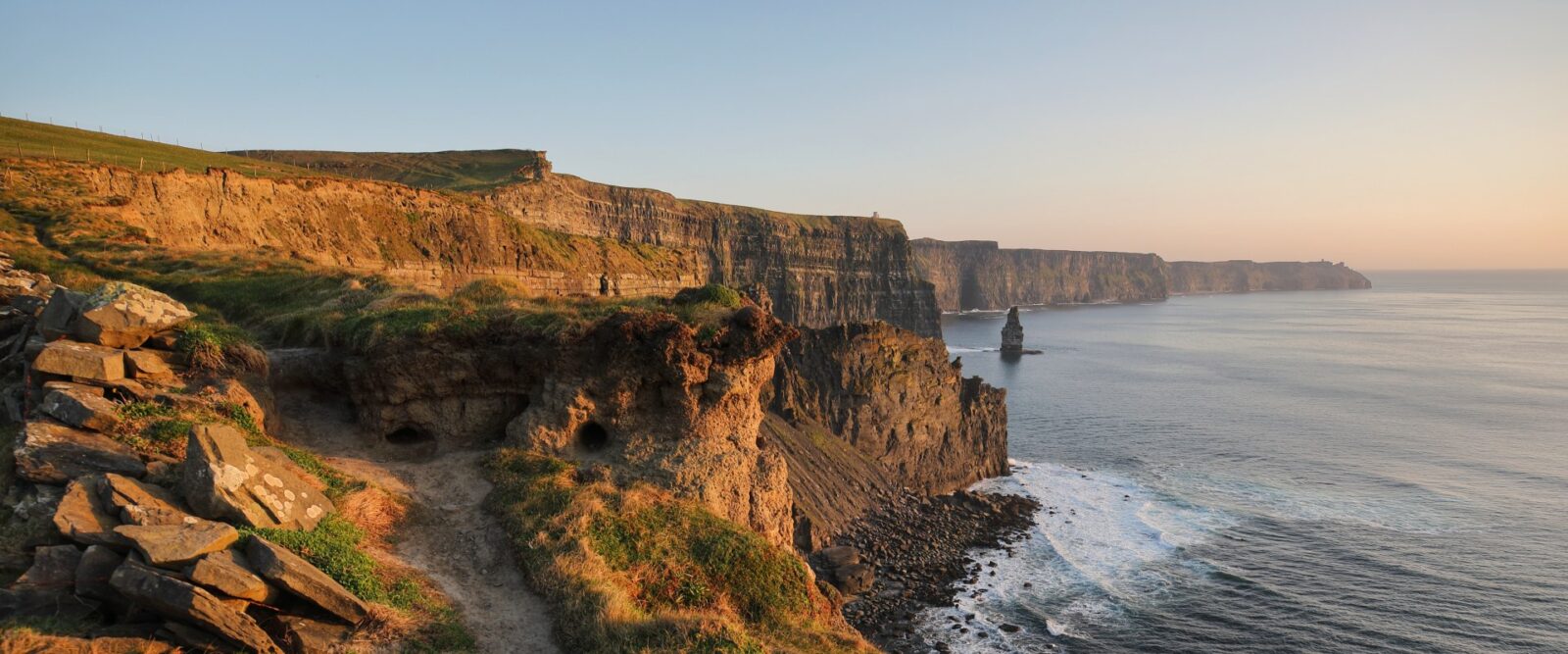
Cliffs Of Moher, Trail

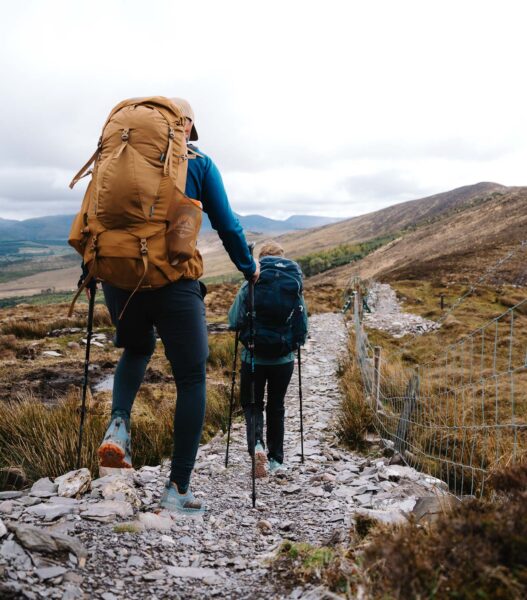
Hiking along the Wild Atlantic Way

The Wild Atlantic Way

Discover the Wild Atlantic Way, Ireland’s most spectacular coastal driving route. Here, you’ll find some of the most unforgettable hiking experiences along the west coast. Over 2,500 kilometers from Donegal to Cork, this amazing drive takes you through some of Ireland’s most iconic landscapes, including some of the best hiking spots in the world, perfect for hikers of all levels. It doesn’t matter if you’re looking for short coastal walks or challenging long-distance trail, along the Wild Atlantic Way you can find a trail for everyone.

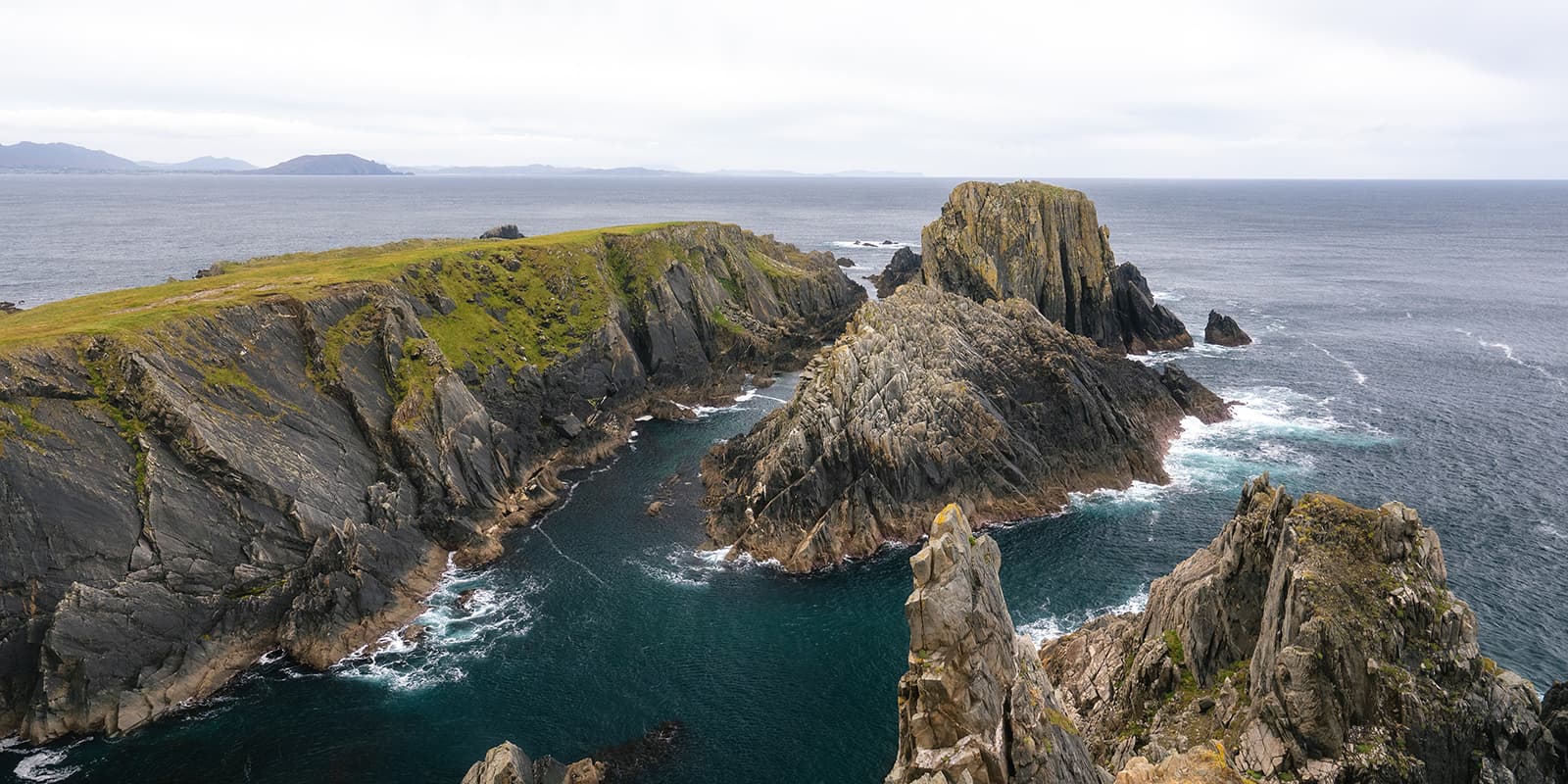
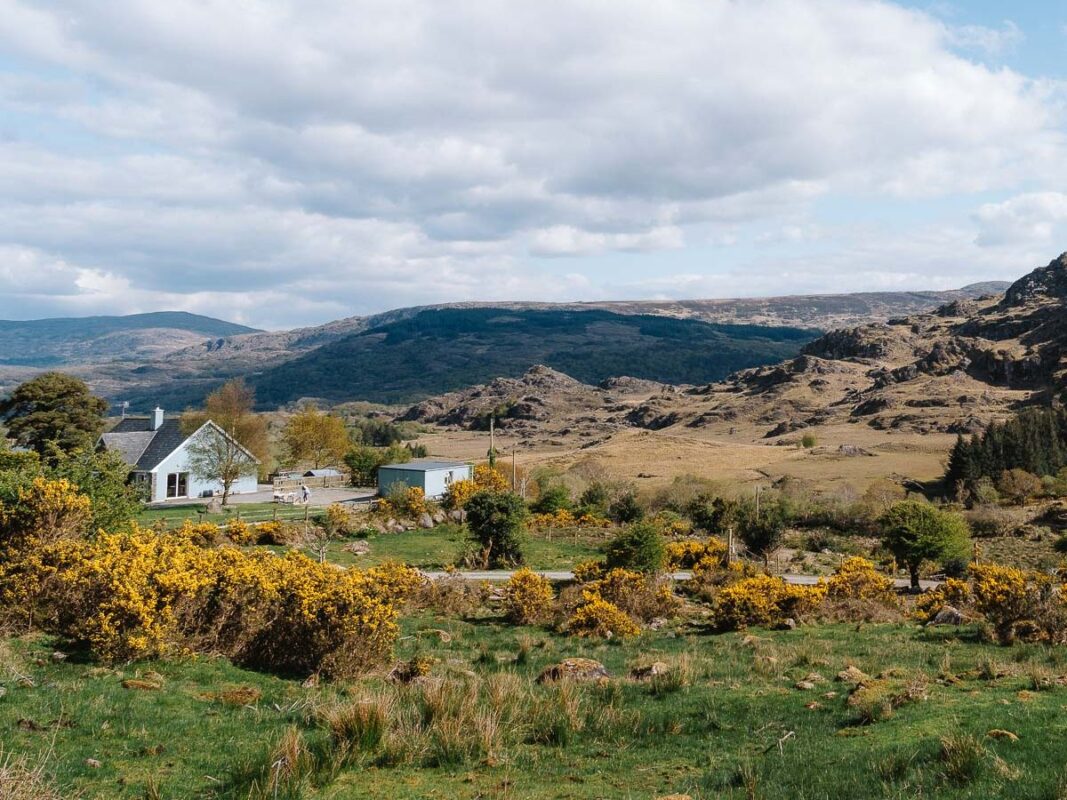
As you’re on the Wild Atlantic Way, you’ll come across cliffs, beaches, and even remote islands. Popular hiking spots along the route include the Cliffs of Moher, Connemara National Park, and the inspiring Dingle Peninsula. The most iconic trail is undoubtly the Kerry Way, Ireland’s premier long-distance trail that loops you around the Iveragh Peninsula. Each trail gives you a glimpse of Ireland’s natural beauty with panoramic views, lots of wildlife, and opportunities around every corner to explore the country’s history.

For those looking for a long-distance trail or a day-hike along a spectacular road way, the Wild Atlantic Way is an unmissable experience. The route also connects to charming villages, where you can enjoy traditional Irish hospitality, local cuisine, and pub culture with live music.

Best hiking trails along the Wild Atlantic Way

Filters

How to get there

To explore the Wild Atlantic Way and enjoy its incredible hiking trails, there are several airports conveniently located along the route. Here’s how to get there by flight and the local airports you can fly into. You can find the best flights on Skyscanner from the airport near your home town.

  • Shannon Airport (SNN)
    Located in County Clare, Shannon Airport is one of the most popular entry points if you’re looking to explore the Wild Atlantic Way, especially if you’re starting around the Cliffs of Moher or the Burren. Shannon has flights from major cities in Europe, the US, and the UK.
  • Cork Airport (ORK)
    The Cork Airport is ideal if you’re starting your Wild Atlantic Way journey in the south. Cork has access to the southernmost sections of the route, including the Beara Peninsula and Mizen Head. It also has numerous flight connections across Europe.
  • Ireland West Airport Knock (NOC)
    Located in County Mayo, this airport is a great option for accessing the central sections of the Wild Atlantic Way, including Achill Island and Connemara. Knock Airport has flights to and from larger UK cities and some European destinations.
  • Donegal Airport (CFN)
    For those starting in the northern section of the Wild Atlantic Way, Donegal Airport is the best choice. It’s a small airport serving domestic and UK flights, offering easy access to Slieve League cliffs and Malin Head.

From any of these airports, car rentals, buses, and tours are available to take you directly to the trailheads along the Wild Atlantic Way.


Top 5 day hiking trails

Here are some of the most iconic day hiking trails along the Wild Atlantic Way:

  • Cliffs of Moher Coastal Walk (County Clare)
    This 20-kilometer trail offers breathtaking views of the Cliffs of Moher as you hike from Doolin to Hags Head, showcasing the dramatic cliffs plunging into the Atlantic Ocean.
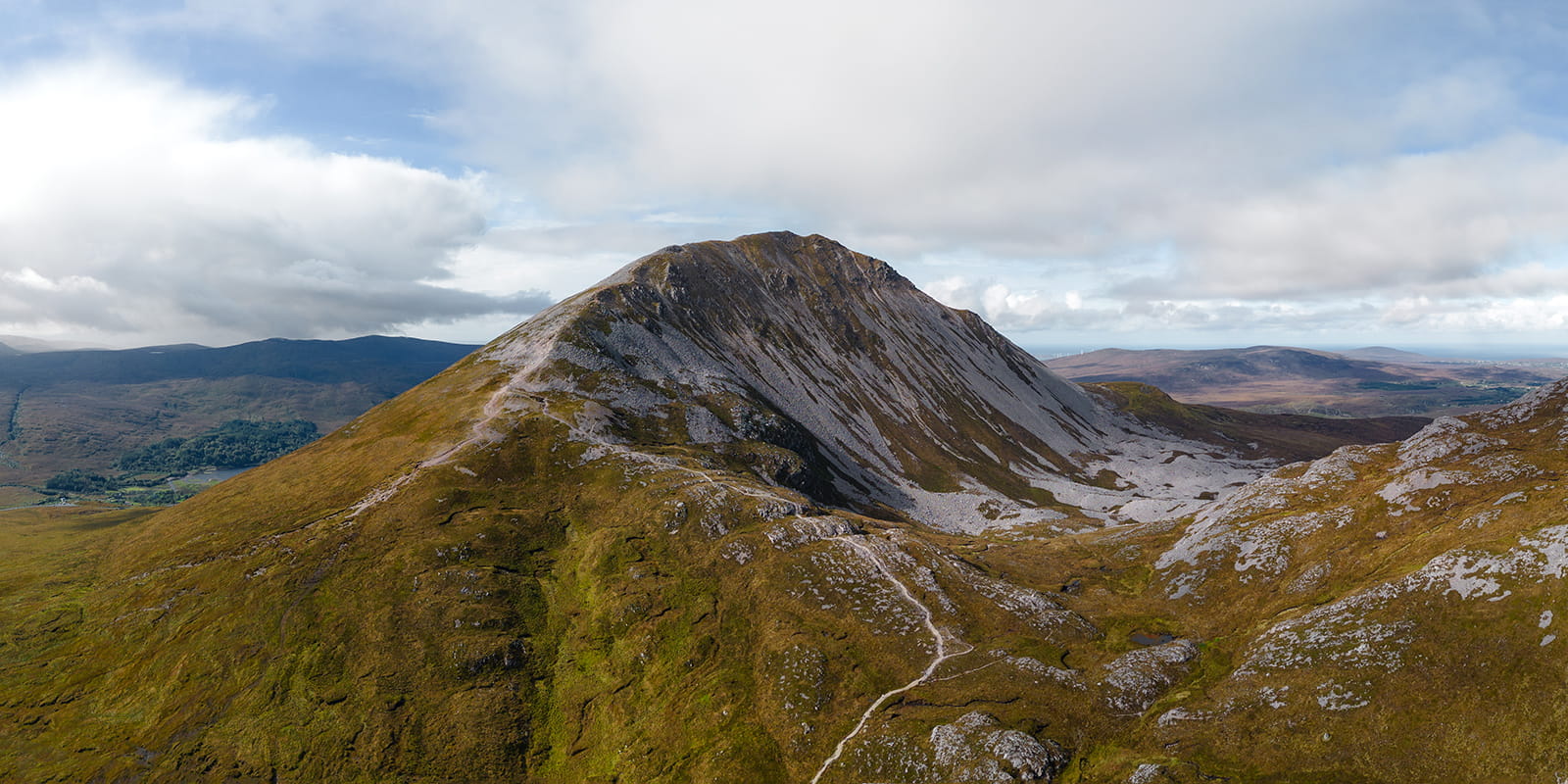
  • Diamond Hill, Connemara National Park (County Galway)
    A moderate 7-kilometer loop trail in Connemara National Park, Diamond Hill offers stunning panoramic views of the rugged Connemara landscape, coastal islands, and the Twelve Bens mountain range.
  • Slieve League Cliffs (County Donegal)
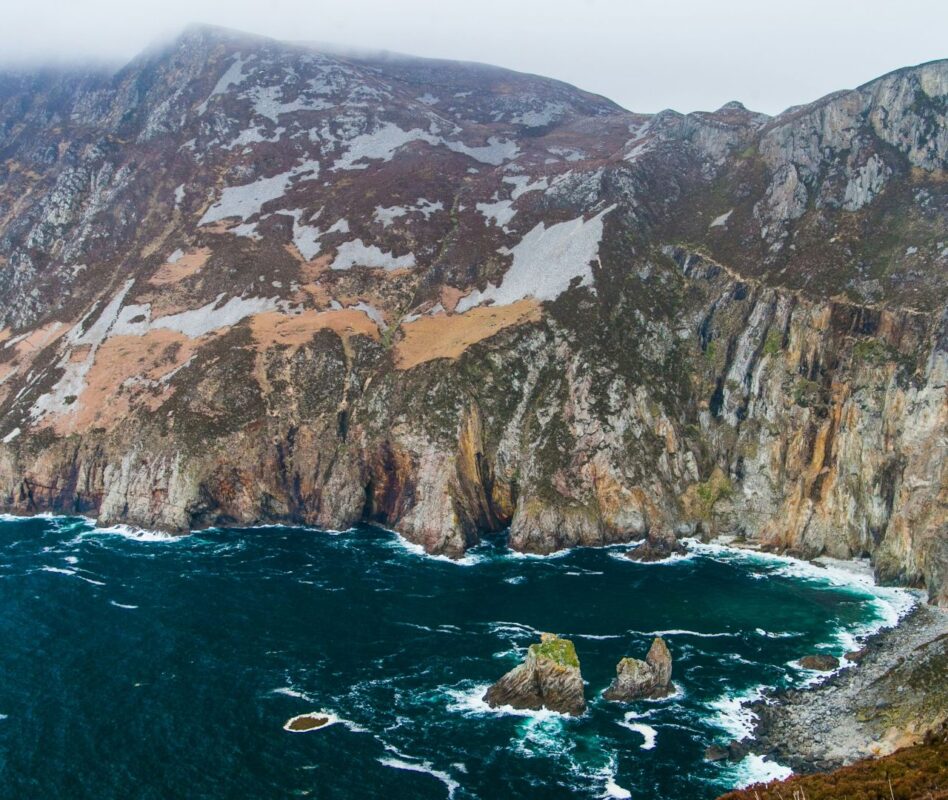
    One of Europe’s highest sea cliffs, the Slieve League hike offers incredible views of the coastline. A shorter, easy option to the viewing platform or a more challenging trail along the cliff edges.
  • Croagh Patrick (County Mayo)
    A popular 7-kilometer pilgrimage hike to the summit of Croagh Patrick, offering breathtaking views of Clew Bay and the surrounding landscapes.
  • Bray Head Loop (County Kerry)
    Located on Valentia Island, off the Ring of Kerry, the 5-kilometer Bray Head Loop is a rewarding hike offering panoramic views of the Atlantic Ocean and Skellig Michael (a UNESCO World Heritage Site) up to the Bray Head Tower.

Each of these trails provides a unique perspective on Ireland’s wild coastline, perfect for day hikes along the Wild Atlantic Way.


Top 3 long-distance trails

Here’s top three of the most iconic long-distance hiking trails along the Wild Atlantic Way:

1. Beara Way

Distance: 206 kilometers (loop)
The Beara Way is one of the most scenic long-distance trails, looping around the Beara Peninsula. The route takes you through rugged mountains, quiet coastal villages, and remote landscapes, offering stunning views of both the Atlantic Ocean and Bantry Bay. Highlights include Dursey Island (with Ireland’s only cable car), Gleninchaquin Park, and Healy Pass. The trail can be broken into manageable sections for day hikes or multi-day trekking.

2. Kerry Way

Distance: 214 kilometers (loop)
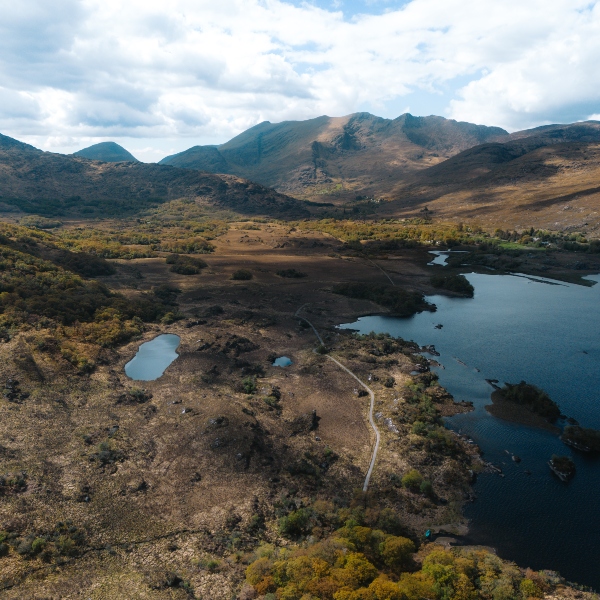
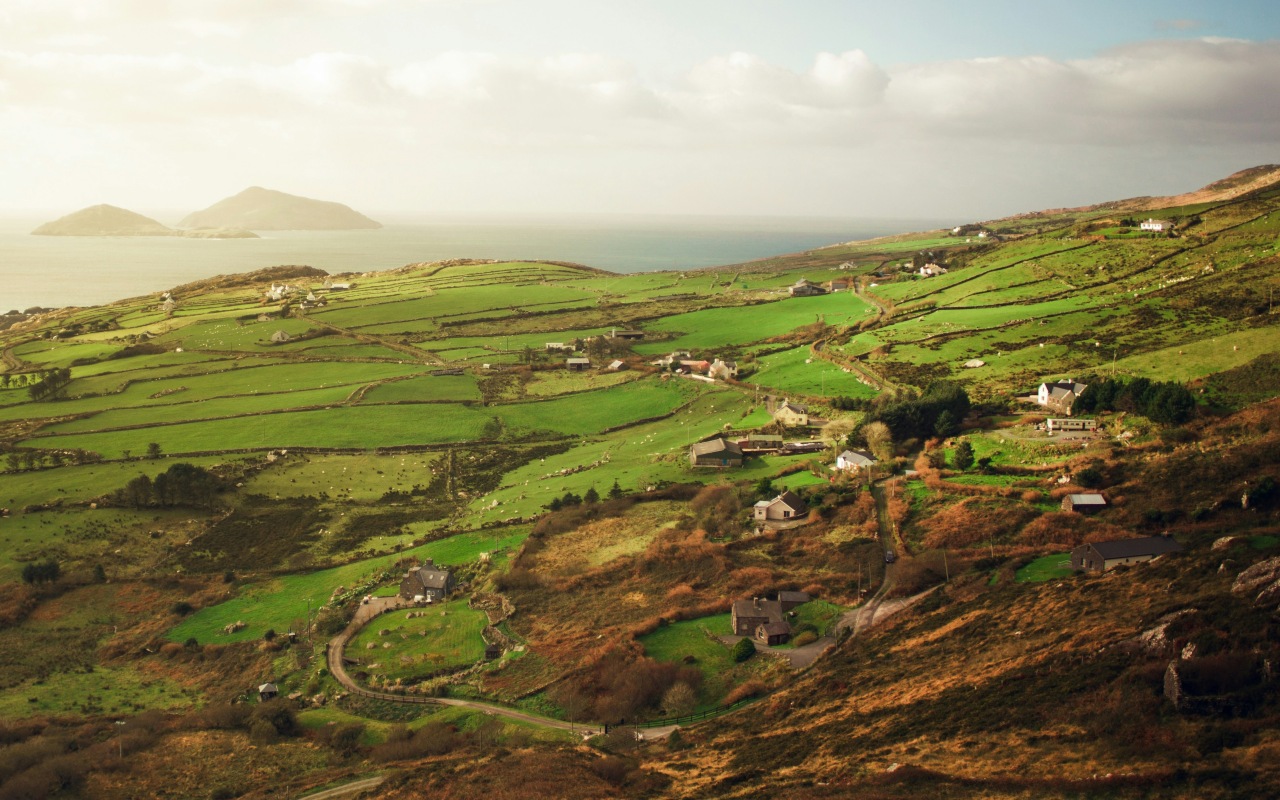
The Kerry Way is Ireland’s longest signposted walking trail, circling the famous Ring of Kerry. This looped route offers a mix of coastal and inland hiking, passing through valleys, forests, and mountains. Highlights include views of Carrauntoohil (Ireland’s highest peak), the Black Valley, Killarney National Park, and the lakes of Killarney. The trail offers well-marked sections for both long-distance and day hikers.

3. Dingle Way

Distance: 179 kilometers (loop)
The Dingle Way is a beautiful coastal trail that loops around the Dingle Peninsula. This route showcases dramatic coastal scenery, sandy beaches, and remote mountain passes. It passes through charming villages such as Dingle, and along Slea Head, offering views of the Blasket Islands. Walkers can explore ancient sites like Beehive huts and standing stones. The trail is ideal for breaking into sections, allowing for both long-distance adventures and day hikes.

These three long-distance trails offer some of the most spectacular landscapes along Ireland’s Wild Atlantic Way, each providing an immersive hiking experience through Ireland’s rugged wilderness.

Enjoy the Wild Atlantic Way

A short getaway along the Wild Atlantic Way offers the perfect mix of adventure, culture, and relaxation. Begin your day with a scenic coastal hike, like the Bray Head Loop or a cliff walk at the Cliffs of Moher, enjoying Ireland’s rugged beauty. After a day of exploring, unwind in a charming village with a cozy stay at a family-run B&B, where Irish hospitality shines. Evenings are best spent in a local pub, savoring traditional Irish music, hearty food, and friendly conversation with locals, giving you a true taste of Ireland’s warm, welcoming culture. Check this page out for more tips!

Slán go fóill!

Cliffs Of Moher, Trail

Hiking along the Wild Atlantic Way

The Wild Atlantic Way

Discover the Wild Atlantic Way, Ireland’s most spectacular coastal driving route. Here, you’ll find some of the most unforgettable hiking experiences along the west coast. Over 2,500 kilometers from Donegal to Cork, this amazing drive takes you through some of Ireland’s most iconic landscapes, including some of the best hiking spots in the world, perfect for hikers of all levels. It doesn’t matter if you’re looking for short coastal walks or challenging long-distance trail, along the Wild Atlantic Way you can find a trail for everyone.

As you’re on the Wild Atlantic Way, you’ll come across cliffs, beaches, and even remote islands. Popular hiking spots along the route include the Cliffs of Moher, Connemara National Park, and the inspiring Dingle Peninsula. The most iconic trail is undoubtly the Kerry Way, Ireland’s premier long-distance trail that loops you around the Iveragh Peninsula. Each trail gives you a glimpse of Ireland’s natural beauty with panoramic views, lots of wildlife, and opportunities around every corner to explore the country’s history.

For those looking for a long-distance trail or a day-hike along a spectacular road way, the Wild Atlantic Way is an unmissable experience. The route also connects to charming villages, where you can enjoy traditional Irish hospitality, local cuisine, and pub culture with live music.

Best hiking trails along the Wild Atlantic Way

Filters

How to get there

To explore the Wild Atlantic Way and enjoy its incredible hiking trails, there are several airports conveniently located along the route. Here’s how to get there by flight and the local airports you can fly into. You can find the best flights on Skyscanner from the airport near your home town.

  • Shannon Airport (SNN)
    Located in County Clare, Shannon Airport is one of the most popular entry points if you’re looking to explore the Wild Atlantic Way, especially if you’re starting around the Cliffs of Moher or the Burren. Shannon has flights from major cities in Europe, the US, and the UK.
  • Cork Airport (ORK)
    The Cork Airport is ideal if you’re starting your Wild Atlantic Way journey in the south. Cork has access to the southernmost sections of the route, including the Beara Peninsula and Mizen Head. It also has numerous flight connections across Europe.
  • Ireland West Airport Knock (NOC)
    Located in County Mayo, this airport is a great option for accessing the central sections of the Wild Atlantic Way, including Achill Island and Connemara. Knock Airport has flights to and from larger UK cities and some European destinations.
  • Donegal Airport (CFN)
    For those starting in the northern section of the Wild Atlantic Way, Donegal Airport is the best choice. It’s a small airport serving domestic and UK flights, offering easy access to Slieve League cliffs and Malin Head.

From any of these airports, car rentals, buses, and tours are available to take you directly to the trailheads along the Wild Atlantic Way.


Top 5 day hiking trails

Here are some of the most iconic day hiking trails along the Wild Atlantic Way:

  • Cliffs of Moher Coastal Walk (County Clare)
    This 20-kilometer trail offers breathtaking views of the Cliffs of Moher as you hike from Doolin to Hags Head, showcasing the dramatic cliffs plunging into the Atlantic Ocean.
  • Diamond Hill, Connemara National Park (County Galway)
    A moderate 7-kilometer loop trail in Connemara National Park, Diamond Hill offers stunning panoramic views of the rugged Connemara landscape, coastal islands, and the Twelve Bens mountain range.
  • Slieve League Cliffs (County Donegal)
    One of Europe’s highest sea cliffs, the Slieve League hike offers incredible views of the coastline. A shorter, easy option to the viewing platform or a more challenging trail along the cliff edges.
  • Croagh Patrick (County Mayo)
    A popular 7-kilometer pilgrimage hike to the summit of Croagh Patrick, offering breathtaking views of Clew Bay and the surrounding landscapes.
  • Bray Head Loop (County Kerry)
    Located on Valentia Island, off the Ring of Kerry, the 5-kilometer Bray Head Loop is a rewarding hike offering panoramic views of the Atlantic Ocean and Skellig Michael (a UNESCO World Heritage Site) up to the Bray Head Tower.

Each of these trails provides a unique perspective on Ireland’s wild coastline, perfect for day hikes along the Wild Atlantic Way.


Top 3 long-distance trails

Here’s top three of the most iconic long-distance hiking trails along the Wild Atlantic Way:

1. Beara Way

Distance: 206 kilometers (loop)
The Beara Way is one of the most scenic long-distance trails, looping around the Beara Peninsula. The route takes you through rugged mountains, quiet coastal villages, and remote landscapes, offering stunning views of both the Atlantic Ocean and Bantry Bay. Highlights include Dursey Island (with Ireland’s only cable car), Gleninchaquin Park, and Healy Pass. The trail can be broken into manageable sections for day hikes or multi-day trekking.

2. Kerry Way

Distance: 214 kilometers (loop)
The Kerry Way is Ireland’s longest signposted walking trail, circling the famous Ring of Kerry. This looped route offers a mix of coastal and inland hiking, passing through valleys, forests, and mountains. Highlights include views of Carrauntoohil (Ireland’s highest peak), the Black Valley, Killarney National Park, and the lakes of Killarney. The trail offers well-marked sections for both long-distance and day hikers.

3. Dingle Way

Distance: 179 kilometers (loop)
The Dingle Way is a beautiful coastal trail that loops around the Dingle Peninsula. This route showcases dramatic coastal scenery, sandy beaches, and remote mountain passes. It passes through charming villages such as Dingle, and along Slea Head, offering views of the Blasket Islands. Walkers can explore ancient sites like Beehive huts and standing stones. The trail is ideal for breaking into sections, allowing for both long-distance adventures and day hikes.

These three long-distance trails offer some of the most spectacular landscapes along Ireland’s Wild Atlantic Way, each providing an immersive hiking experience through Ireland’s rugged wilderness.

Enjoy the Wild Atlantic Way

A short getaway along the Wild Atlantic Way offers the perfect mix of adventure, culture, and relaxation. Begin your day with a scenic coastal hike, like the Bray Head Loop or a cliff walk at the Cliffs of Moher, enjoying Ireland’s rugged beauty. After a day of exploring, unwind in a charming village with a cozy stay at a family-run B&B, where Irish hospitality shines. Evenings are best spent in a local pub, savoring traditional Irish music, hearty food, and friendly conversation with locals, giving you a true taste of Ireland’s warm, welcoming culture. Check this page out for more tips!

Slán go fóill!

The Norway Trail

Travelbase Trails

Travelbase Trails

The Belgium travel organisation Travelbase has just launched Travelbase Trails, the part of the travel agency that let outdoor enthousiast experience the most beautiful long-distance trails. Most of the trails are organised group travels. Travelbase Trails provides 11 multi-day hiking experiences from the desert till the cold north with amazing travel experience for hikers.

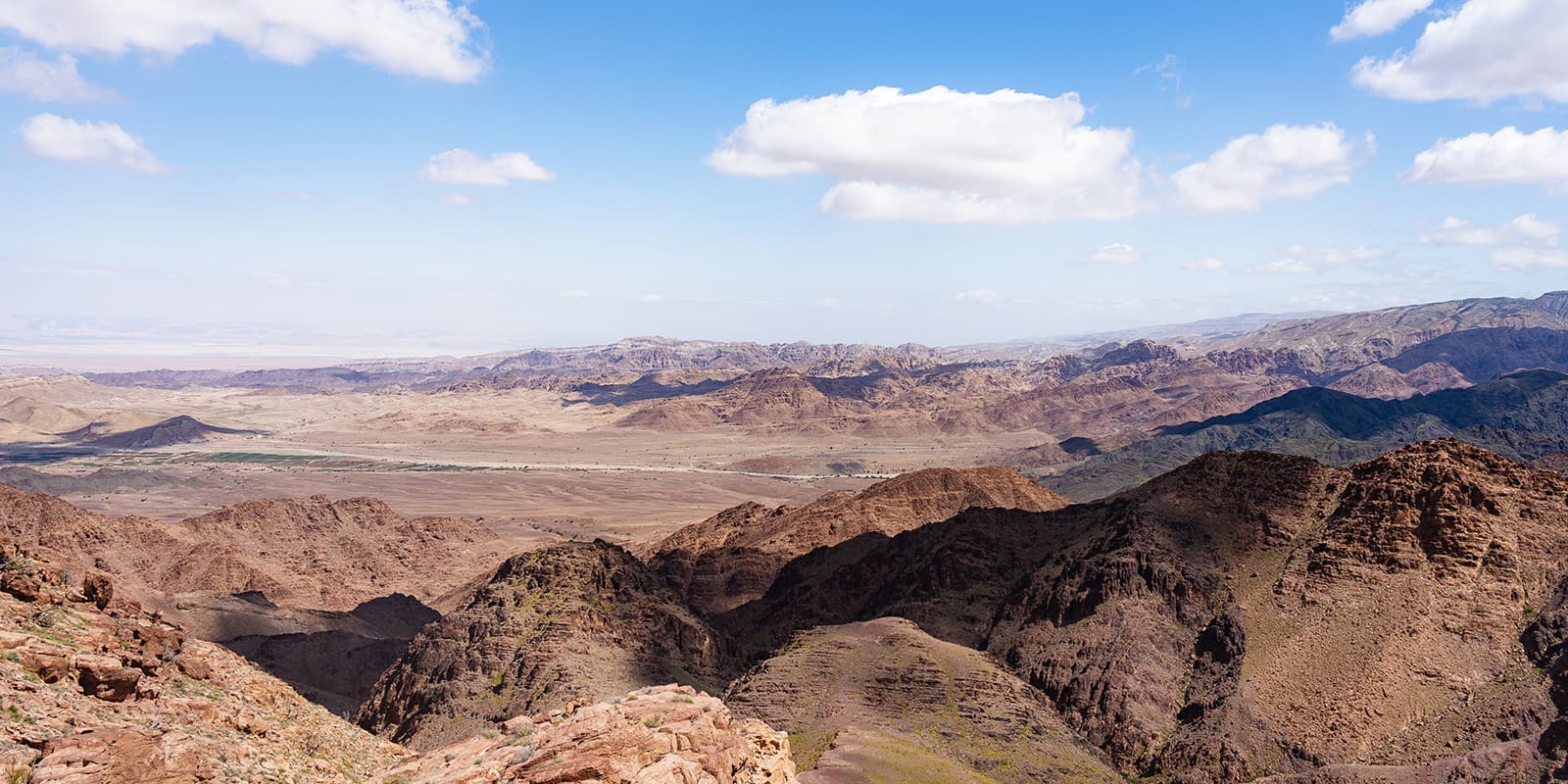
We start in the north on the Lapland Trail, which takes hikers through the wilderness of Finnish Lapland where you’ll not only hike but also take part in other winter activities. The very well known thru-hike Jordan Trail is more suitable if you like a warmer climate and exploring the desert routes leading to the iconic Petra, while the Madeira Trail offers a traverse across the green subtropical landscapes of Madeira island, known for its beauty and a famous destination among hikers worldwide.

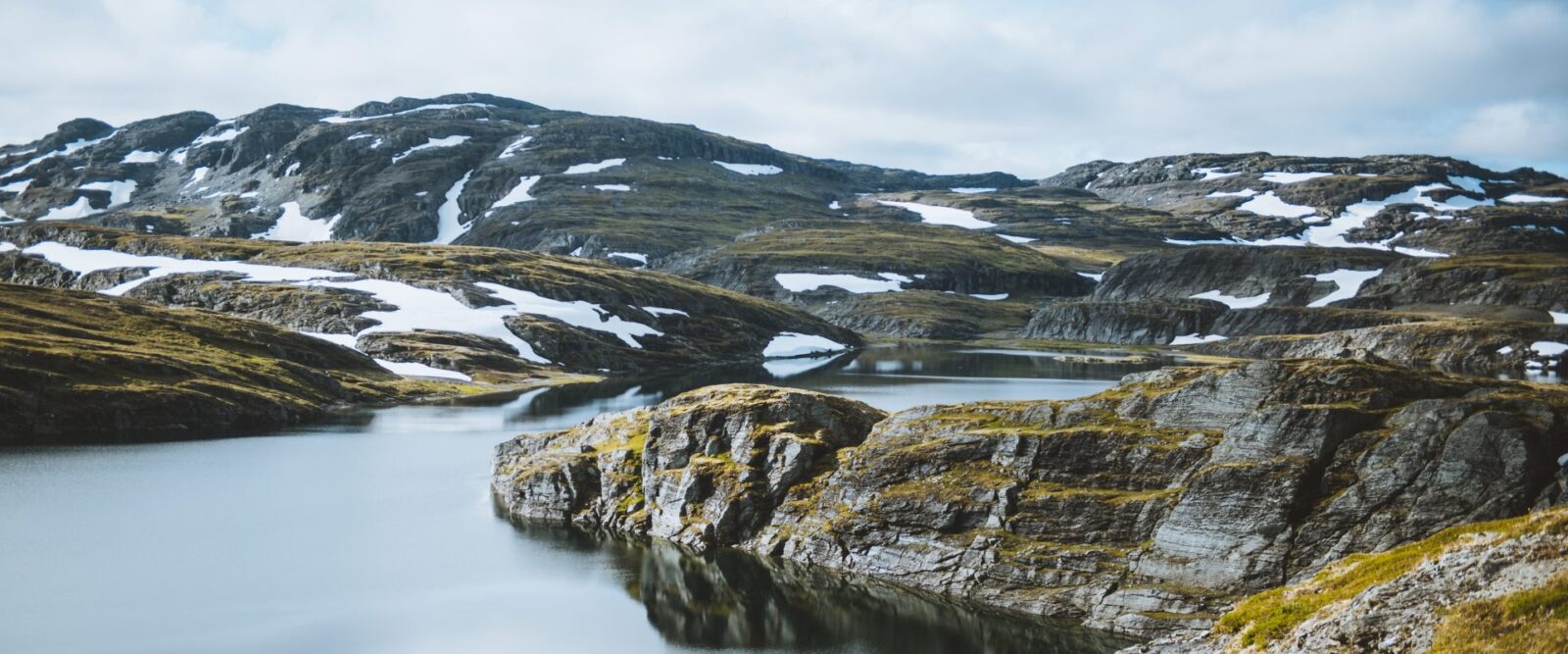
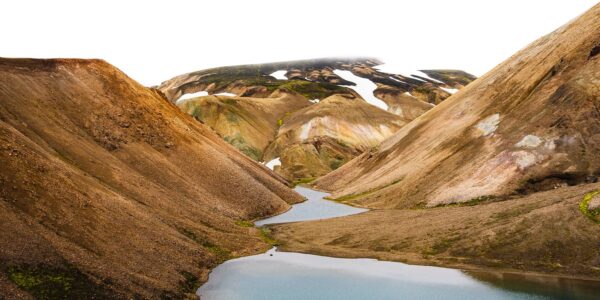
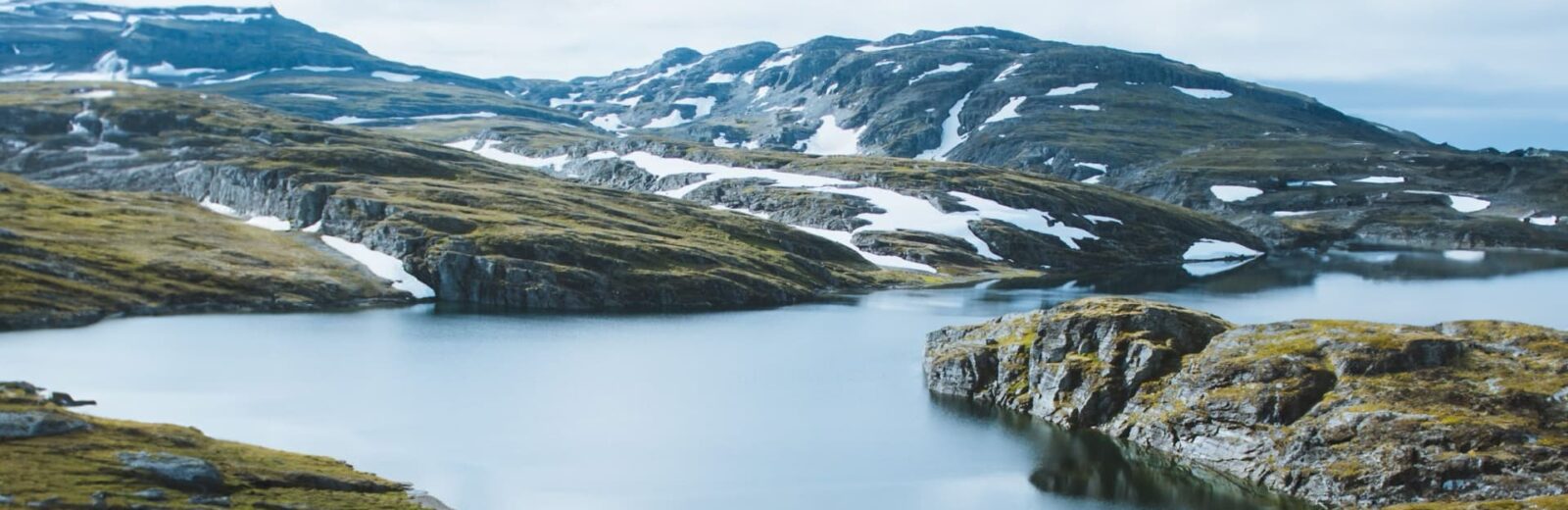
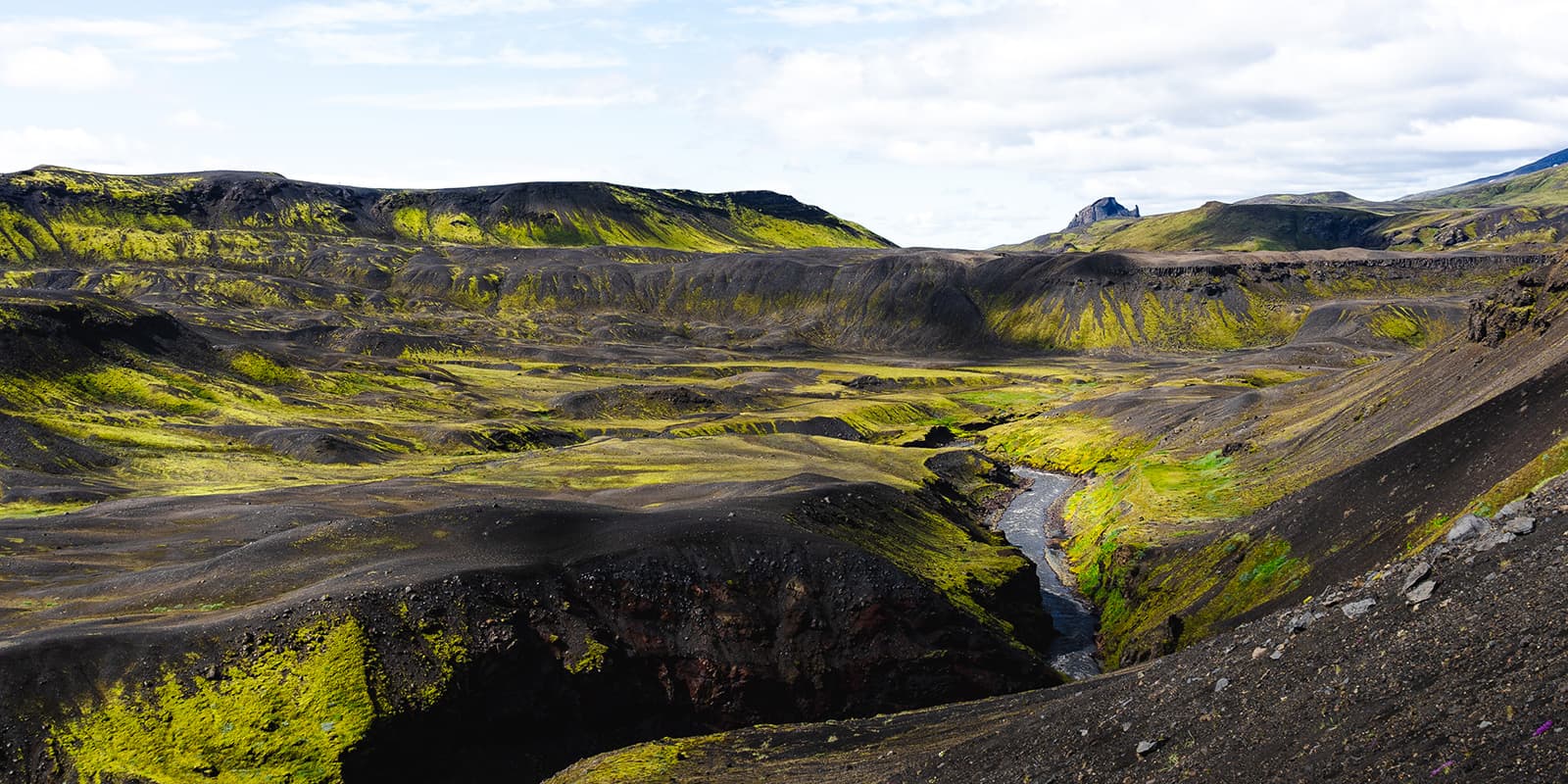
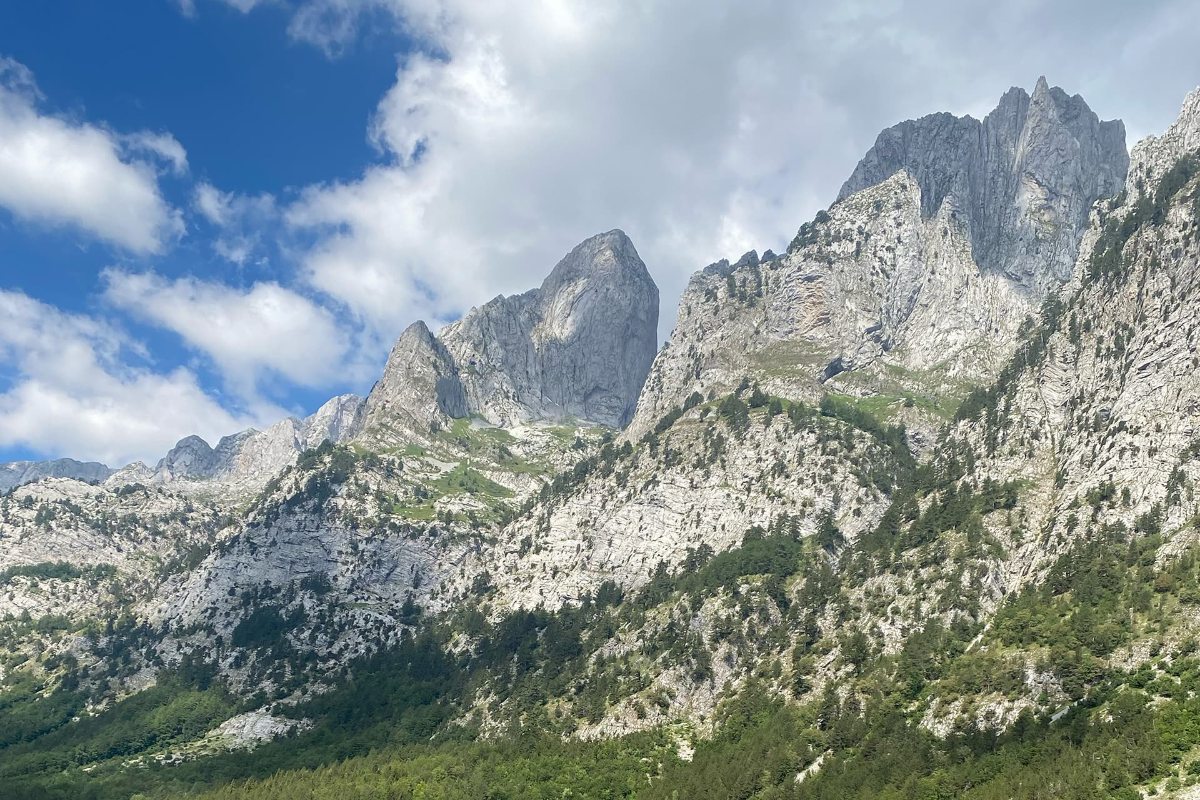
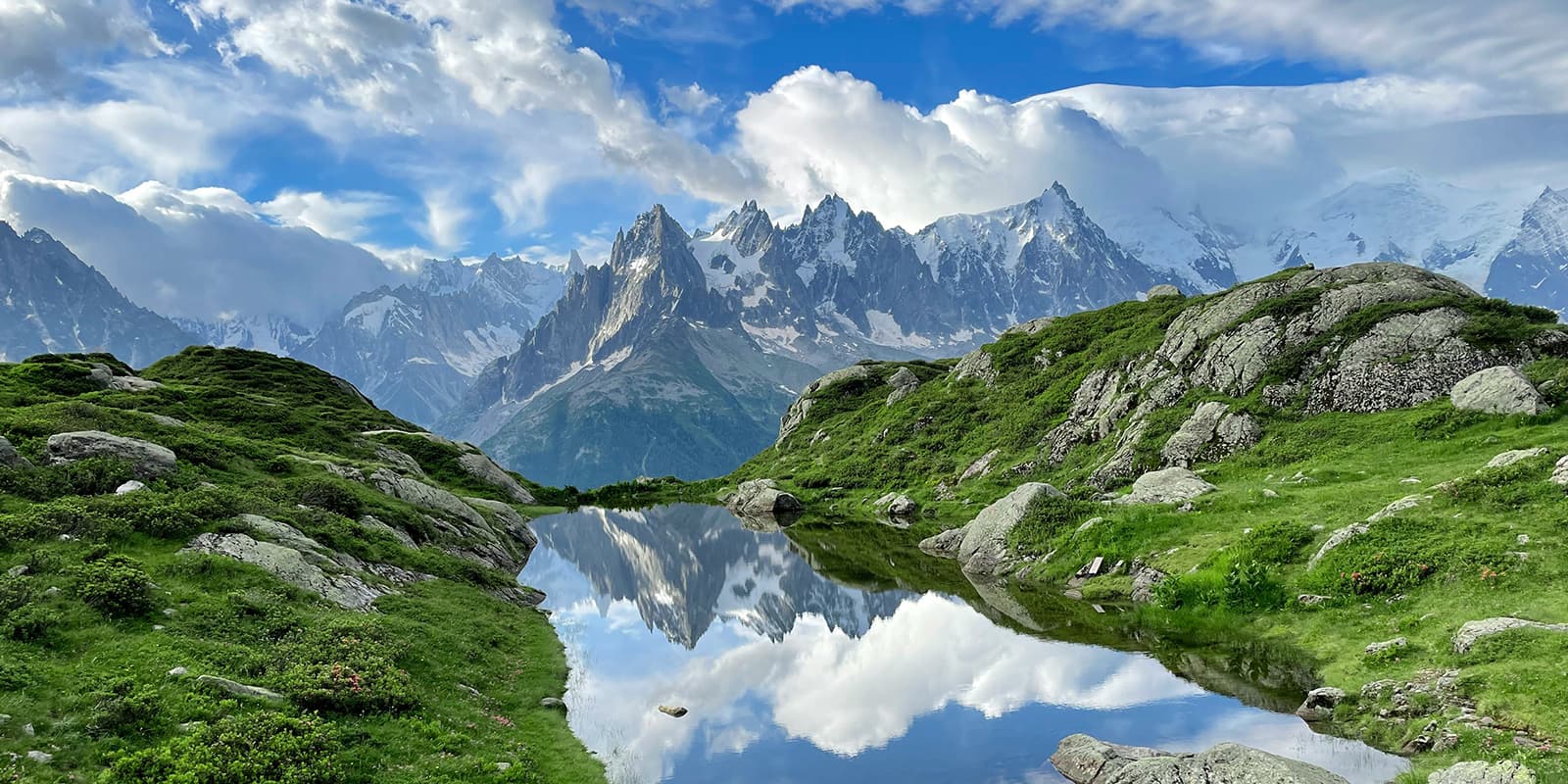
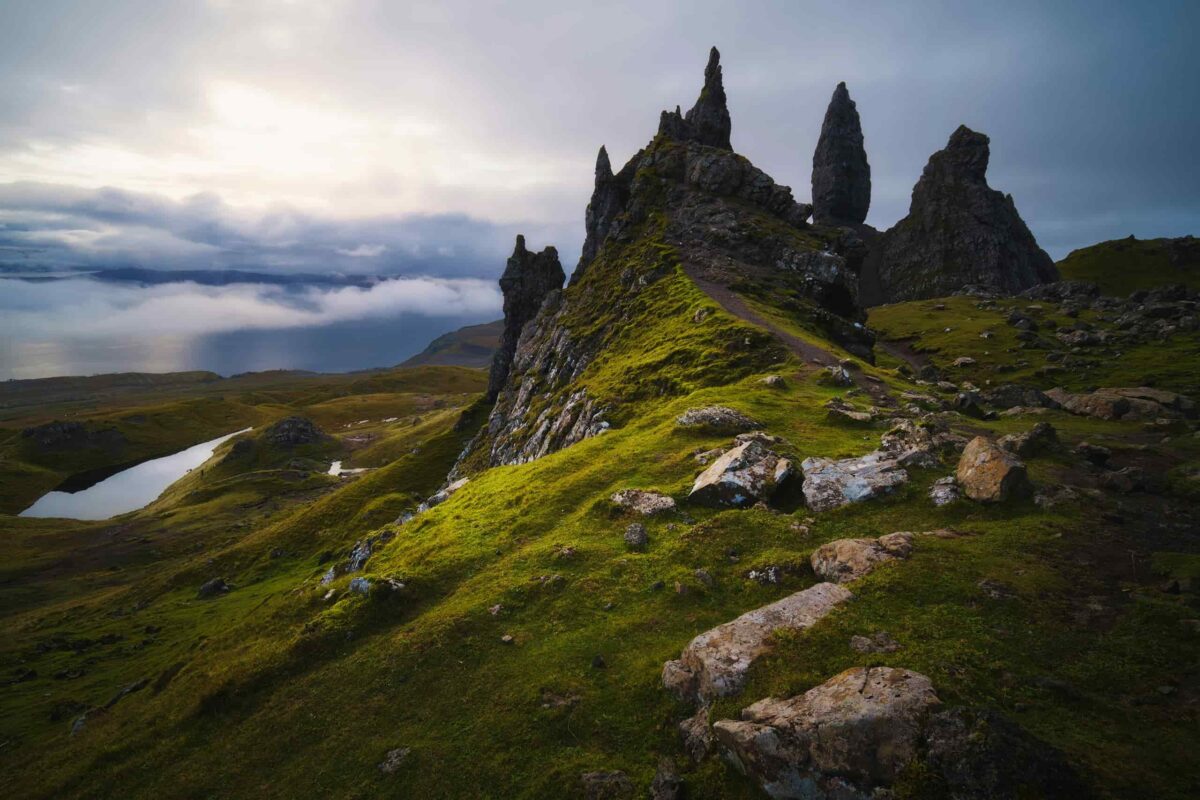
More into the mountains?  The Mont Blanc Trail is a famous trek accross France, Italy, and Switzerland, covering a segment of the famous Tour du Mont Blanc. The Iceland Trail leads you over the Laugavegur Trail with the dramatic scenery in the land of fire and ice, including glaciers and volcanic plains, while the Norway Trail offers a journey across the country’s fjords and high plateaus on Hardangervidda. The Scotland Trail leads hikers through the Scottish Highlands and the Isle of Skye, with the majestic mountain views on the old man of storr. The Atlas Trail in Morocco provides a cultural trek alongside Berber guides in the Atlas Mountains, and the Balkan Trail leads you over the Peaks of the Balkans trail on the most beautiful paths of Albania, Montenegro, and Kosovo. Last but not least is the Dolomiti Trail, in the beautiful Dolomites along the popular Tre Cime and Lago di Braies. You can even opt for a trail in winter on the Kungsleden, also known as the King’s Trail.

If you’re looking for an long-distance trail with a group travel organistion, you might like these trails! Find some more information in the chart beneath.

Best Travelbase Trails

Filters

About Travelbase

At Travelbase Trails, they believe that hiking is the best way to truly experience a destination. You are surrounded by nature, away from the crowds and tourist hotspots, while enjoying breathtaking views and unique landscapes. It’s not always easy to plan hikes independently. The trails are well-balanced, with stages that are not too long or too short, allowing you to see the most beautiful highlights in a relatively short period. They provide complete logistical organization (local transport, mobile application, accommodations in nature, rental of food packs & camping equipment) as well as support from our experienced guides and rangers. All of this at an affordable price.

Top 5 long-distance hiking trails

Here are some of the most iconic long-distance hiking trails in Europe:

Experience the grandeur of the Alps on the Mont Blanc Trail, circling around the highest peak of the Alps, the Mont Blanc. This iconic trail goes through France, Italy, and Switzerland, with the most dramatic glacier views, alpine scenery and small mountain villages. A classic for hikers and perhaps the most popular trail in Europe.

The Dolomiti Trail takes you deep into the heart of northern Italy’s UNESCO-listed Dolomites, with the beste views on the sharp limestone peaks. The rich cultural history is everywhere in South-Tyrol with her welcoming rifugios, this trail gives you a great introduction in the variaty of the region on the mountain trails over panoramic passes surrounded by the unique geological formations.

Traverse the beauty of the Balkans on a trail that links diverse landscapes across Albania, Kosovo, and Montenegro, known as the Peaks of the Balkans. This remote route takes hikers through a totally different mountain range than the Alps, forests and high pastures to enjoy the local culture in the mountains of the Balkan.

The trails in the Scottish Highlands on the Skye Trail are maybe one of the most rugged in Europe. Hiking along the glens, lochs, and sharp peaks, this route is wild. Expect moody skies, ancient ruins and a rich Scottisch culture and folklore along the way.

Discover the Middle East on his best along the Jordan Trail, a diverse thru-hike through the historic sites Petra, deserts and beautiful sandy landscapes all along the way. The local culture makes this trail extra special.

Ultralight hiking gear list

Struggling with what hiking gear to bring for your next trail and want to go ultralight? It can be hard to find the right gear list. No worries, we’ve got you! Here you’ll find a complete ultralight hiking gear list with all the gear you need for your upcoming adventure, maybe you’re going to wild camp, set an FKT or just a thru-hike. Whether you’re hiking the Pacific Crest Trail, the Te Araroa, or the Via Alpina, go ultralight! This page focuses on the necessary items to complete your next hiking trail safely. Always add more specific items that are important for the trail you choose and circumstances you expect during your outdoor adventure.

sleeping pad

To make your next hike a bit more comfy, bring some items that are not essential but make hiking more enjoyable for you (and maybe other hikers you meet on the trails). Consider items that you won’t just use during the hike but also for the evenings in the tent or while taking a ZERO (rest day). You can think of an e-reader, journal, card game,  book with unsolvable crossword puzzles, or something else. It’s all about having fun out there!

You’ll find the full hiking gear list if you scroll down a bit more. We’ve outlined a few items that are the most important for your next trail. If you click on the links you’ll be redirected to the brands we recommend and the most trusted outdoor gear shops where you can buy the gear.

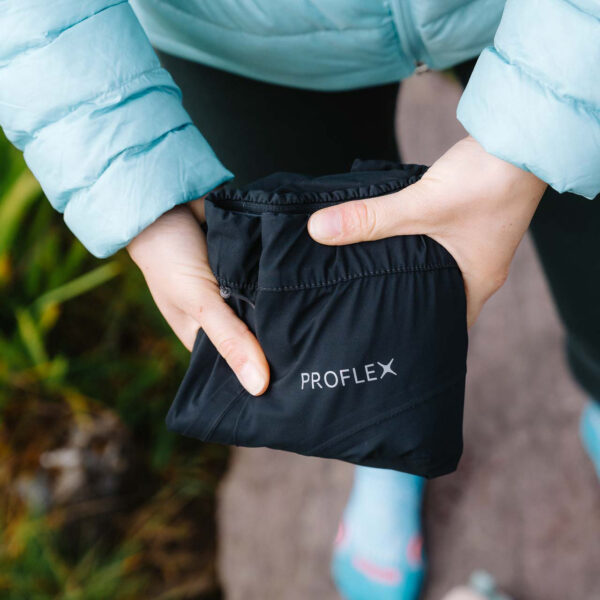
close up of rain pants
hiking poles


Most important items

These are the essentials for your next hike. Always choose to invest in the right quality gear when you have the possibility. It’s more sustainable and keeps you safe on your trails, especially hiking day after day covering long distances.


  • Hiking shoes – trail runners or light hiking shoes
  • Ultralight Backpack – 40-65 liters
  • Ultralight tent with footprint
  • Ultralight sleeping bag
  • Ultralight sleeping pad
  • Cooking gear – stove , pan, spork, lighter
  • Water filter or purification tablets
  • Rainwear – preferably hardshell
  • Clothing – layers & socks
  • Water bottle and bag
  • First aid kit – for emergencies
  • Hiking poles – to support your knees
  • Power bank – when there are no outlets available for long stretches
  • Trash bag – Leave No Trace
  • Sun protection – sunglasses and sunscreen
  • Safety device – for example, a Garmin inReach

Top brands for your gear

Lightweight tent

Your shelter night after night during all kinds of weather conditions. Go lightweight or ultralight.

Zpacks MSR

Sleeping bag

Choose something that will keep you warm in colder conditions but is still breathable.

Cumulus Therm-a-Rest

Sleeping pad

Gives you comfort and keeping you warm while you’re cowboy camping or in your lightweight tent.

Therm-a-Rest Rab equipment

Hiking shoes

Hiking shoes provide comfort, grip, and protection against rugged terrains, ensuring safety during your long-distance trail.

LOWA HOKA

Backpack

Essential for all the gear you bring, good backpacks are designed to distribute weight evenly, making it easier to transport water, food, and gear.

Gossamer Gear Hyperlite

Hiking poles

Assist you in keeping pace mile after mile and reducing knee strain on descents. An essential item for thru-hikers.

LEKI Black Diamond

Rainwear

A shield against the elements because even when the weather looks good, you can always end up in a rainstorm.

Rab equipment Columbia

Layers

Layers protect you against the weather conditions. Take at least three layers with you, a  base-, mid-, and outer layer.

Rab equipment Columbia

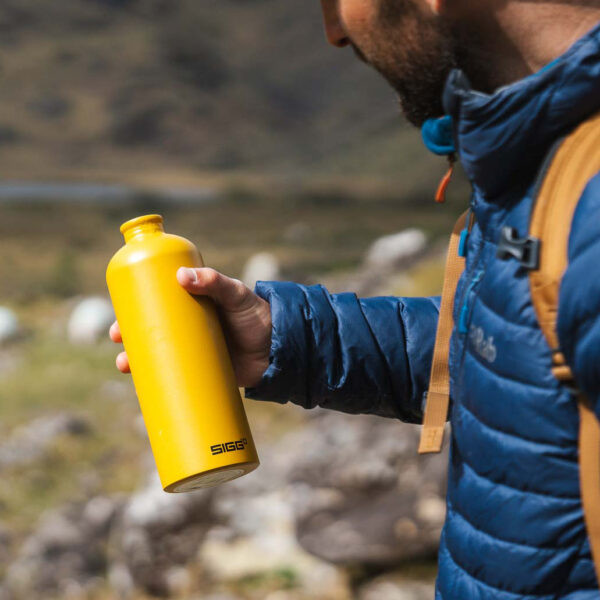
Water bottle or bag

Vital for staying hydrated and maintaining energy levels. Bring at least 1.5 liters of water with you.

SIGG Nalgene

Socks

More than just for comfort, the right socks prevent blisters, wick moisture, and provide cushioning.

Darn Tough Injinji

First aid kit

A compact lifesaver, it is equipped to ensure minor setbacks don’t become major emergencies.

Ortovox First Aid Kits

Safety device

For absolute emergency situations, this could be your lifeline. Never go on a thru-hike without this device.

Garmin Garmin InReach mini

Dried food

This is great for staying lightweight and still getting your calories in each day.

Real Turmat Patagonia Provisions

Powerbank

Bring one to keep navigation and communication lines open. Carrying it is a small effort for big advantages.

Xtorm Xtorm solar

Water filter

You’ll need to filter water each day to stay healthy and hydrated, so it’s important to have a filter you trust.

Katadyn Platypus


Complete ultralight hiking gear list

Essentials

  • Hiking shoes
  • Ultralight backpack with rain cover
  • Ultralight tent with footprint (groundsheet)
  • Ultralight sleeping bag
  • Lightweight sleeping pad
  • Inflatable pillow
  • Cooking gear (stove, pan, spork, lighter)
  • Freeze-dried meals
  • Water filter or purification tablets
  • Sitting pad
  • Clothing: T-shirt, fleece jacket, down jacket, shorts, long pants, base layers (an underlayer, for example, of merino wool), underwear, and hiking socks
  • Rainwear: (hardshell) jacket and pants
  • Quick-drying towel
  • Hiking poles
  • Water bottle or hydration bladder
  • Cap, sunglasses, and sunscreen
  • Power bank
  • Water bottle and bag
  • Food: energy-rich food (nuts, chocolate, energy bars, muesli balls, wraps)
  • First aid kit with an emergency blanket
  • Roll of small garbage bags
  • Headlamp
  • Gloves & hat (for colder conditions & high elevations)
  • Personal hygiene items (toothbrush, toothpaste, soap, shampoo etc.)
  • Personal items (mobile, passport, cash etc.)
  • Pocket knife
  • Gaiters

For navigation & safety

  • GPS watch
  • Map of the area
  • Navigation app on your mobile (FarOut, Alltrails, Komoot, Hiiker, Outdooractive, GAIA)
  • Safety device – for example, a Garmin inReach

As for every gear list, add specific items that are important for the trail you choose and circumstances you’re hiking in. Think of insect repellent spray, crampons, ice axe, micro spikes and other specific hiking gear to ensure your safety. Especially when you go with your lightweight or ultralight hiking gear, don’t compromise on safety items. Find here a specific gear list for thru-hiking.

Fastpacking gear list

Not sure what to bring for a fastpacking adventure? It can be hard to find the right gear list. We’ve got you! Here you’ll find a list with all the gear you need for your next FKT attempt or fastpacking adventure, short and long. Whether you’re a speedy hiker or want to run the trails: “light is right.” This gear list leans more to an ultralight gear list, but everything is even smaller because you need enough space to run and hike fast with a smaller pack. If you’re seeking ultralight gear for a hike, consider our thru-hiking gear list. This page focuses on the necessary items to complete your fastpacking adventure safely. Add more specific items that are important for the trail you choose.

person hiking on unpaved path on the GRR3 on Réunion island

To make your next fastpacking adventure more comfy, bring some items that are not essential but make hiking more enjoyable for you. Consider items that you won’t just during the hike but also for the evening in the mountain hut, hostel, or tent. You can think of an e-reader, journal, earplugs, or something else. Make it more fun!

You’ll find the full gear list if you scroll down a bit more. We’ve outlined a few items that are the most important for your fastpacking trail. If you click on the links you’ll be redirected to the brands we recommend and our most trusted outdoor gear shops where you can buy gear.

person going between sharp rocks in Austrian Alps
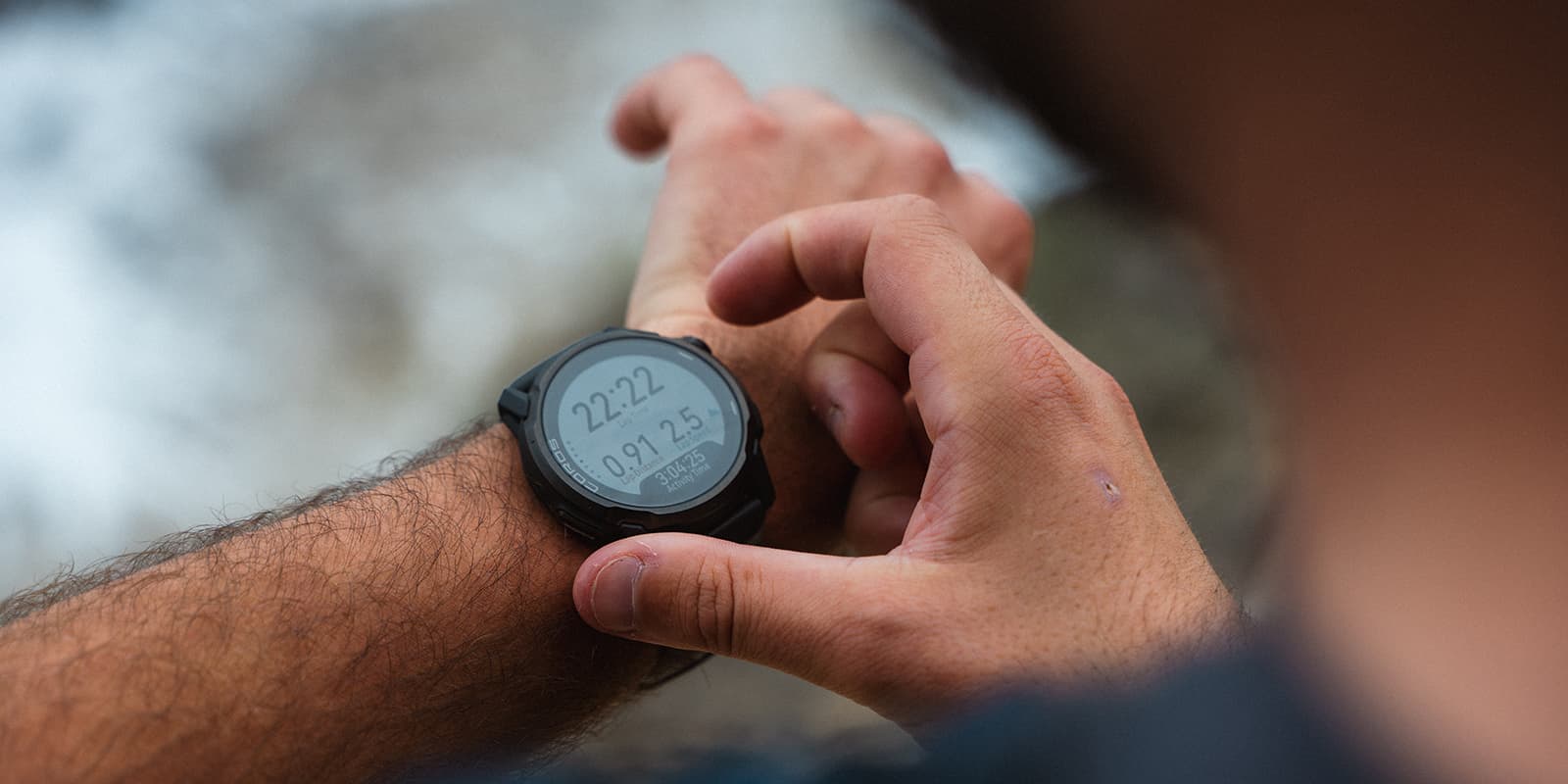
man changing settings on his watch


Most important items

These are essentials for your next long-distance trail. It’s not much, but each item is necessary. Choose always to invest in the right quality gear when you have the possibility. It’s more sustainable and keeps you safe on your trails.


  • Hiking shoes – sturdy & comfy with a good grip
  • Backpack – 15-40 liters
  • Rainwear – preferably a lightweight hardshell jacket
  • Clothing – layers & socks
  • Food – energy bars, nuts & chocolate, for example
  • Water bottle or bag – carry at least 1.5L with you
  • First aid kit – for emergencies
  • Hiking poles – to support your knees
  • Power bank – when there are no outlets nearby
  • Headlamp – for the late evenings
  • Trash bag – Leave No Trace
  • Sun protection – sunglasses, sunscreen, and a hat
  • GPS device – for navigation

Top brands for your gear

Hiking shoes

Good hiking shoes provide comfort, grip, and protection against rugged terrains, ensuring safety during your long-distance trails.

INOV8 LOWA

Backpack

Essential for all the gear you bring, designed to distribute weight evenly, making it easier to transport water, food, and gear.

Ultimate Direction Gregory

Rainwear

A shield against the elements, because even when the weather looks good in the morning, it can always switch up on you.

Rab equipment INOV8

Layers

Layers protect you against fluctuating weather conditions. Take at least three layers with you, a base-, mid-, and outer layer.

Rab equipment INOV8

Water bottle

Vital for staying hydrated and maintaining energy levels during your hike. Always take at least 1.5 liters of water with you.

SIGG Nalgene

Socks

More than just for comfort, the right socks prevent blisters, wick moisture, and provide cushioning over long distances.

Darn Tough Injinji

First aid kit

A compact lifesaver, equipped to ensure minor setbacks don’t turn into major emergencies on the trail. Also great for helping others.

Ortovox First Aid Kits

Hiking poles

Assist in maintaining balance on technical terrain, reduce knee strain on descents, and help you get up that mountain.

LEKI Black Diamond

Powerbank

An lifeline for keeping navigation and communication lines open at all times. Carrying one is a small effort for big advantages.

Xtorm Xtorm solar

Navigation device

Keeps you on the trail without using your phone so you can save battery. We always recommend bringing at least a watch for navigation.

Polar COROS

Headlamp

A headlamp is crucial for early morning, longer days and evenings, and for when you’re racing against sunset on trail.

Silva Black Diamond

Sun protection

Sun protection is not only sunglasses but can also be sunscreen and a sun hoody to keep you cool and safe on the trail.

Goodr sunglasses UVEX sunglasses


Complete fastpacking gear list

Essentials

  • Hiking shoes
  • Backpack with rain cover
  • Clothing: T-shirt, fleece jacket, down jacket, shorts, long pants, base layers (an underlayer, for example, of merino wool), underwear, and hiking socks
  • Rainwear: (hardshell) jacket and pants
  • Quick-drying towel
  • Hiking poles
  • Water bottle or sack
  • Cap, sunglasses, and sunscreen
  • Power bank
  • Water (at least 1.5 liters)
  • Water filter
  • Food: energy-rich food (nuts, chocolate, energy bars, muesli balls, wraps)
  • First aid kit with an emergency blanket
  • Roll with small garbage bags
  • Headlamp
  • Gloves & hat (for colder conditions & high elevations)
  • Personal hygiene items (toothbrush, toothpaste, soap, shampoo etc.)
  • Personal items (mobile, passport, cash etc.)
  • Pocket knife

For navigation

  • GPS watch
  • Map of the area
  • Navigation app on your mobile (Alltrails, Komoot, Hiiker, Outdooractive)


For camping

  • Lightweight tent or bivi with a footprint (groundsheet)
  • Sleeping bag
  • Sleeping pad
  • Inflatable pillow
  • Cooking gear (stove, pan, spork, lighter)
  • Freeze-dried meals
  • Water filter or purification tablets
  • Sitting pad

As for every gear list, add specific items that are important for the trail you choose and the circumstances you’re hiking in. Think of insect-repellent, crampons, ice axes, microspikes, and other specific hiking gear to ensure your safety. If you’re hiking from hut to hut, view our extensive hut-to-hut hiking gear list here.

Thru-hiking gear list

Struggling with what to bring for your next thru-hiking trail? It can be hard to find the right gear list. No worries, we’ve got you covered! Here you’ll find a complete thru-hiking gear list with all the gear you need for your upcoming thru. Whether you’re hiking the Pacific Crest Trail, the Te Araroa, or the Via Alpina, go ultralight! This page focuses on the necessary items to complete your thru-hiking trail safely. Always add more specific items that are important for the trail you choose and circumstances you expect during your thru-hike.

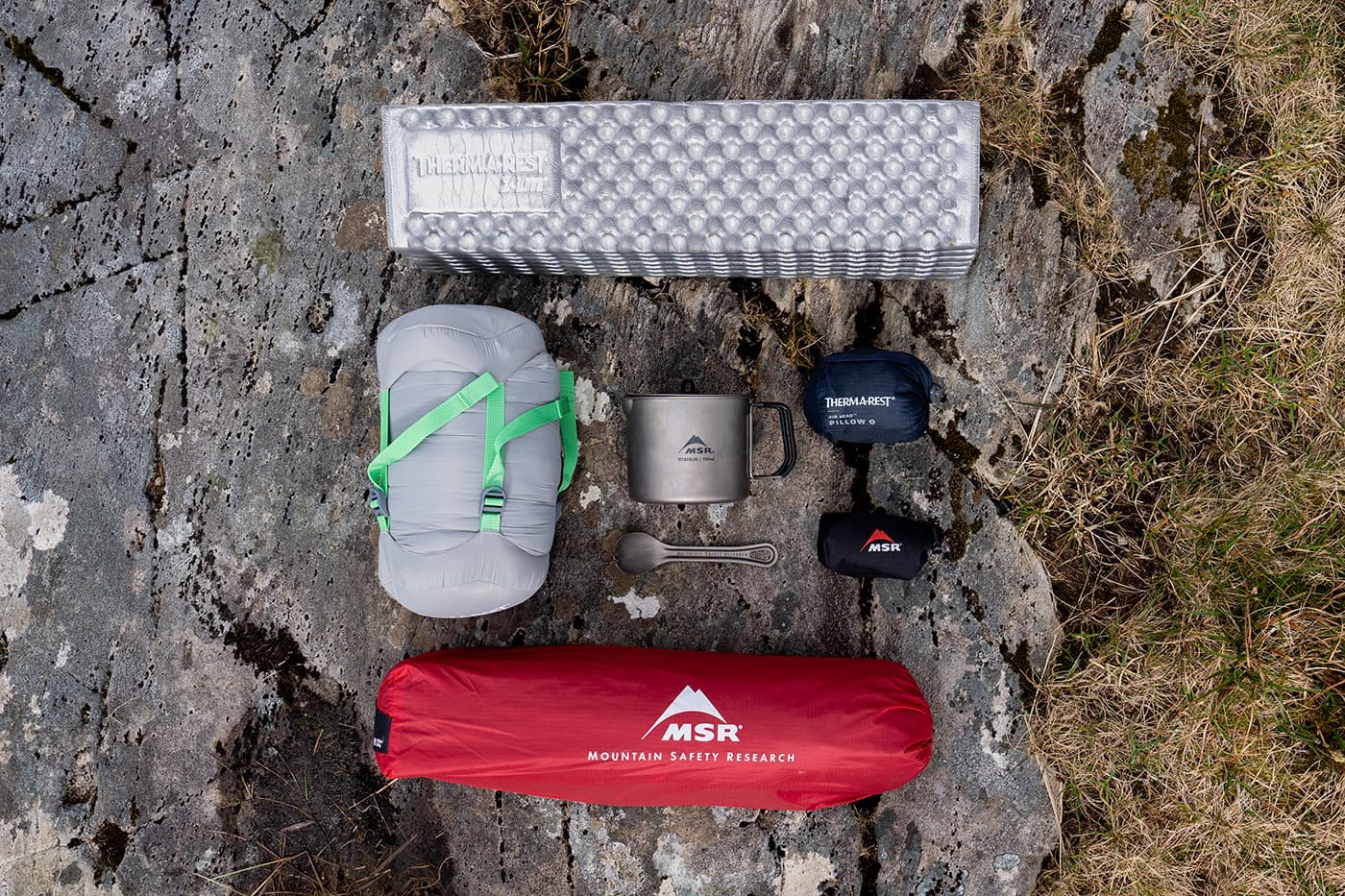
items needed for campingTo make your next thru-hike a bit more comfy, bring some items that are not essential but make hiking more enjoyable for you (and maybe other thru-hikers). Consider items that you won’t just use during the hike but also for the evenings in the tent or while taking a ZERO (rest day). You can think of an e-reader, journal, card game, book with unsolvable crossword puzzles, or something else. It’s all about having fun out there!

You’ll find the full gear list if you scroll down a bit more. We’ve outlined a few items that are the most important for your thru-hiking trail. When you click on the links provided, you’ll be redirected to the brands we recommend and the most trusted outdoor gear shops where you can buy the gear.

camping tent on grassy surface
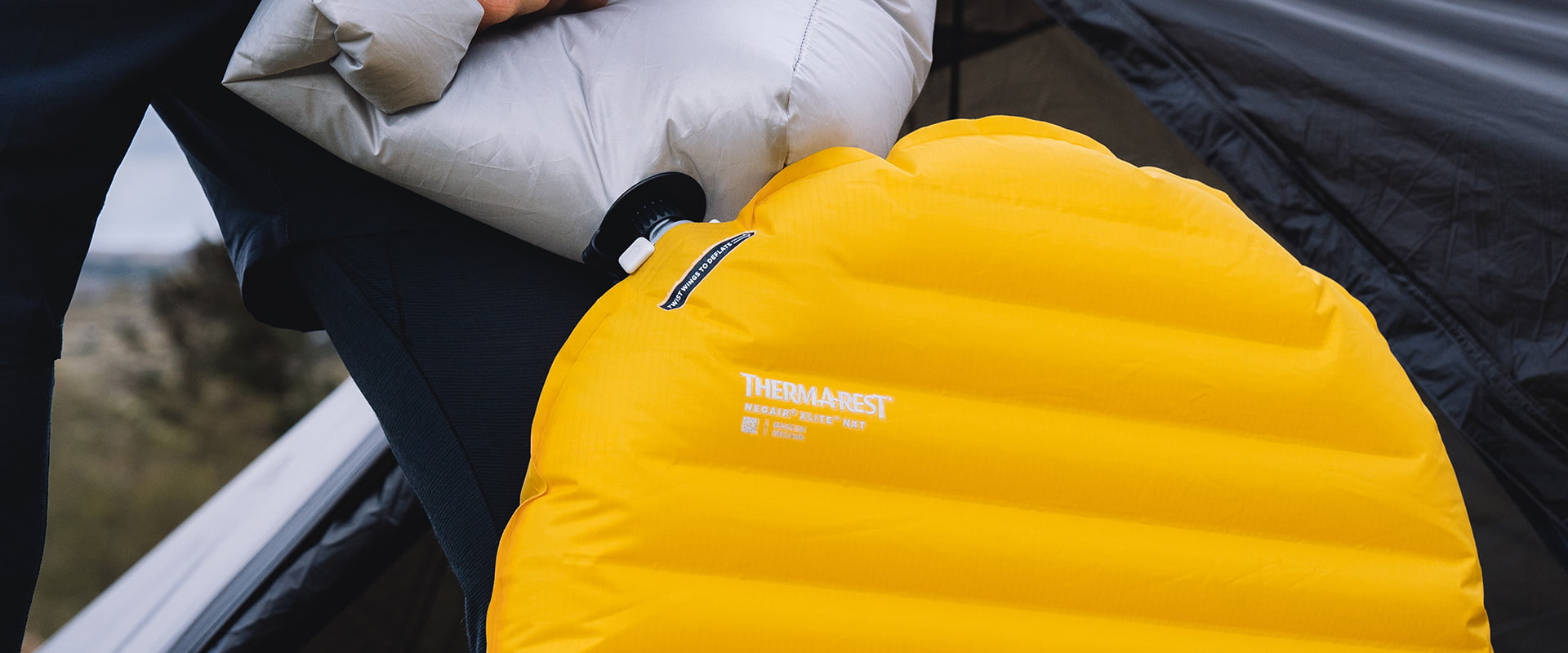
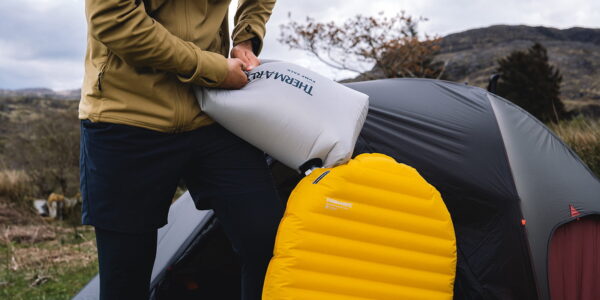
man inflating sleeping pad


Most important items

These are the essentials for your next thru-hiking trail. Always choose to invest in the right quality gear when you have the possibility. It’s more sustainable and keeps you safe on your trails, especially hiking day after day covering long distances like this.


  • Hiking shoes – trail runners or light hiking shoes
  • Backpack – 40-65 liters
  • Lightweight tent with footprint
  • Lightweight sleeping bag
  • Lightweight sleeping pad
  • Cooking gear – stove, pan, spork, lighter
  • Water filter or purification tablets
  • Rainwear – preferably hardshell
  • Clothing – layers & socks
  • Water bottle and bag
  • First aid kit – for emergencies
  • Hiking poles – to support your knees
  • Power bank – when there are no outlets available for long stretches
  • Trash bag – Leave No Trace
  • Sun protection – sunglasses and sunscreen
  • Safety device – for example, a Garmin inReach

Top brands for your gear

Lightweight tent

Your shelter night after night during all kinds of weather conditions. Go lightweight or ultralight.

MSR Durston Gear

Sleeping bag

Choose something that will keep you warm in colder conditions but is still breathable.

Therm-a-Rest Rab equipment

Sleeping pad

Gives you comfort and keeping you warm while you’re cowboy camping or in your lightweight tent.

Therm-a-Rest Rab equipment

Hiking shoes

Hiking shoes provide comfort, grip, and protection against rugged terrains, ensuring safety during your long-distance trail.

LOWA HOKA

Backpack

Essential for all the gear you bring, good backpacks are designed to distribute weight evenly, making it easier to transport water, food, and gear.

Gregory backpacks Hyperlite

Hiking poles

Assist you in keeping pace mile after mile and reducing knee strain on descents. An essential item for thru-hikers.

LEKI Black Diamond

Rainwear

A shield against the elements because even when the weather looks good, you can always end up in a rainstorm.

Rab equipment Columbia

Layers

Layers protect you against the weather conditions. Take at least three layers with you, a  base-, mid-, and outer layer.

Rab equipment Columbia

Water bottle or bag

Vital for staying hydrated and maintaining energy levels. Bring at least 1.5 liters of water with you.

SIGG Nalgene

Socks

More than just for comfort, the right socks prevent blisters, wick moisture, and provide cushioning.

Injinji Darn Tough

First aid kit

A compact lifesaver, it is equipped to ensure minor setbacks don’t become major emergencies.

Ortovox First Aid Kits

Safety device

For absolute emergency situations, this could be your lifeline. Never go on a thru-hike without this device.

Garmin Garmin InReach mini

Dried food

This is great for staying lightweight and still getting your calories in each day.

Real Turmat Patagonia Provisions

Powerbank

Bring one to keep navigation and communication lines open at all times. Carrying it is a small effort for big advantages.

Xtorm Xtorm solar

Water filter

You’ll need to filter water each day to stay healthy and hydrated, so it’s important to have a filter you trust.

Platypus Katadyn


Complete thru-hiking gear list

Essentials

  • Hiking shoes
  • Backpack with rain cover
  • Lightweight tent with footprint (groundsheet)
  • Lightweight sleeping bag
  • Lightweight sleeping pad
  • Inflatable pillow
  • Cooking gear (stove, pan, spork, lighter)
  • Freeze-dried meals
  • Water filter or purification tablets
  • Sitting pad
  • Clothing: T-shirt, fleece jacket, down jacket, shorts, long pants, base layers (an underlayer, for example, of merino wool), underwear, and hiking socks
  • Rainwear: (hardshell) jacket and pants
  • Quick-drying towel
  • Hiking poles
  • Water bottle or hydration bladder
  • Cap, sunglasses, and sunscreen
  • Power bank
  • Water bottle and bag
  • Food: energy-rich food (nuts, chocolate, energy bars, muesli balls, wraps)
  • First aid kit with an emergency blanket
  • Roll of small garbage bags
  • Headlamp
  • Gloves & hat (for colder conditions & high elevations)
  • Personal hygiene items (toothbrush, toothpaste, soap, shampoo etc.)
  • Personal items (mobile, passport, cash etc.)
  • Pocket knife
  • Gaiters

For navigation & safety

  • GPS watch
  • Map of the area
  • Navigation app on your mobile (FarOut, Alltrails, Komoot, Hiiker, Outdooractive, GAIA)
  • Safety device – for example, a Garmin inReach

As for every gear list, add specific items that are important for the trail you choose and the circumstances you’re hiking in. Think of insect repellent spray, crampons, ice axe, micro spikes, and other specific hiking gear to ensure your safety. For a thru-hike, this may change based on the section you’re hiking. You’ll often have the option to mail yourself a box of gear for upcoming sections that require different items than you’re currently carrying.

Essential gear list

Not sure what to bring on your next hike? We’ve got you covered! Here, you’ll find an essential gear list for your next hiking trail. Whether you’re hiking a day-hike, hut-to-hut hike, long-distance trail, or even thru-hike, you don’t need to take that much with you. The less you have to carry every day, the better and easier the trail becomes. Of course, you should always pack the necessary items and you will need to add items that are important for the specific trail you choose.

Always bring a few items that are not essential but make hiking more enjoyable for you. Consider luxuries not only for during the hike but also, for example, for the long evenings in the mountain hut or tent. Think of an e-reader, journal, earbuds for music, a book with unsolvable Sudoku puzzles, or something else. It’s up to you! The essential gear list is made for every hiker, whether you’re hiking for months or just a day.

You’ll find the full gear list if you scroll down a bit more. We’ve outlined 9 items that are the most important. If you click on the links you’ll be redirected to the brands we recommend and to trusted outdoor gear shops where you can buy these items.

person with backpack standing on rock
person tying his shoe


Most important essentials

These are the absolute must-have essentials for your next hiking trail. There aren’t many, but they are most definitely necessary. Choose always to invest in the right quality gear when you have the possibility. It’s more sustainable and keeps you safe on your trails.


  • Hiking shoes
  • Backpack
  • Rainwear
  • Water bottle
  • First aid kit
  • Hiking poles
  • Power bank
  • Clothing: layers
  • Socks

Top brands for your essentials

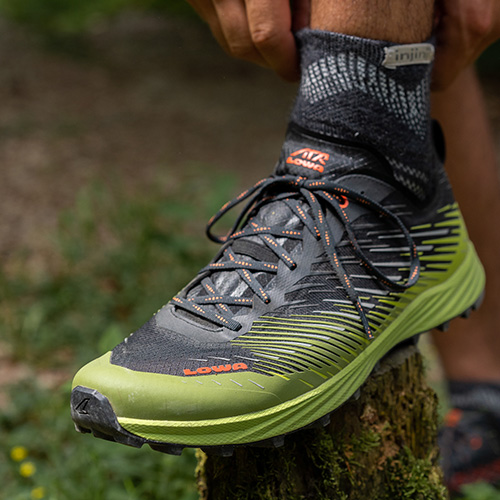
Hiking shoes

The foundation of any hike. They provide comfort, grip, and protection against rugged terrains, ensuring safety and endurance.

LOWA HOKA

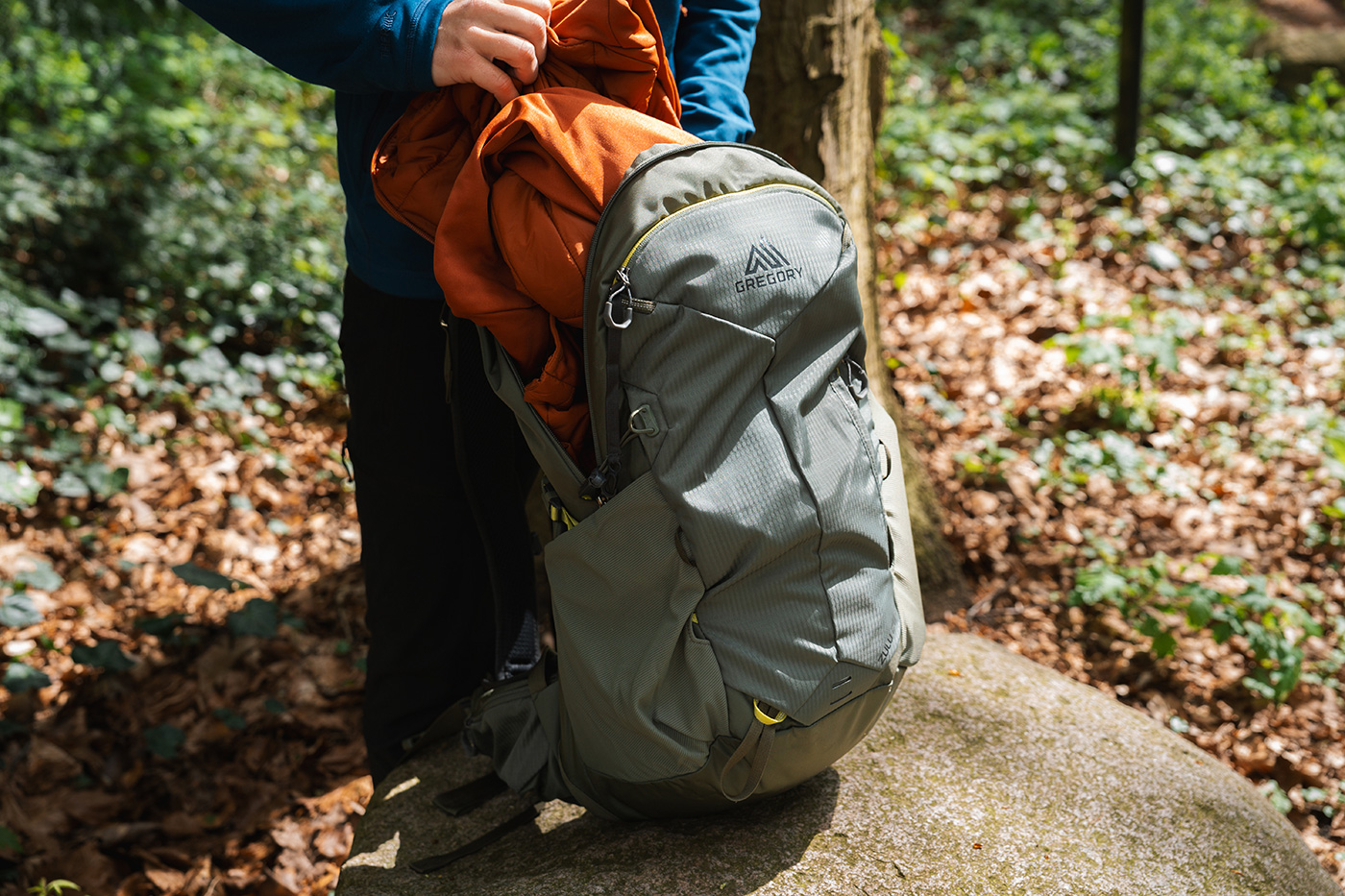
Backpack

Essential for all the gear you bring, designed to distribute weight evenly, making it easier to transport water, food, and gear.

GREGORY deuter

Rainwear

A shield against the elements because even when the weather looks promising, it can always turn quickly, especially in the mountains.

Rab equipment CORTAZU

Water bottle

Vital for staying hydrated and maintaining energy levels during your hike. Always take at least 1.5 liters of water with you.

SIGG Nalgene

Socks

More than just for comfort, the right socks prevent blisters, wick moisture, and provide cushioning over long distances.

Bridgedale Injinji

First aid kit

A compact lifesaver, it is equipped for treating minor injuries to ensure minor setbacks don’t turn into major emergencies.

Ortovox First Aid Kits

Hiking poles

Assist in maintaining balance on uneven terrain, reduce knee strain on descents, and help you get up that mountain.

LEKI Black Diamond

Powerbank

An lifeline for keeping navigation and communication lines open at all times. Carrying it is a small effort for big advantages.

Xtorm Xtorm solar

Layers

Layers protect you against fluctuating weather conditions. Take at least three layers with you, a base-, mid-, and outer layer.

Rab equipment Pinewood


Complete essential gear list

  • Hiking shoes
  • Backpack with rain cover
  • Clothing: layers: T-shirt, fleece jacket, down jacket, shorts, long pants, base layers (an underlayer, for example, of merino wool), underwear, and hiking socks
  • Rainwear: (hardshell) jacket and pants
  • Quick-drying towel
  • Hiking poles
  • Water bottle or hydration bladder
  • Cap, sunglasses, and sunscreen
  • Power bank
  • Water (at least 1.5 liters) and energy-rich food (nuts, chocolate, energy bars, muesli balls, wraps)
  • First aid kit with emergency blanket
  • Roll of small garbage bags
  • Toiletries: toothbrush, toothpaste, soap, shampoo, etc.

For navigation

  • GPS watch
  • Map of the area
  • Navigation app on your mobile such as Komoot or Outdooractive

For camping

  • Lightweight tent with footprint (groundsheet)
  • Sleeping bag
  • Sleeping pad
  • Inflatable pillow
  • Cooking gear (stove, pan, spork, lighter)
  • Freeze-dried meals
  • Water filter or purification tablets
  • Headlamp
  • Pocket knife
  • Sitting pad
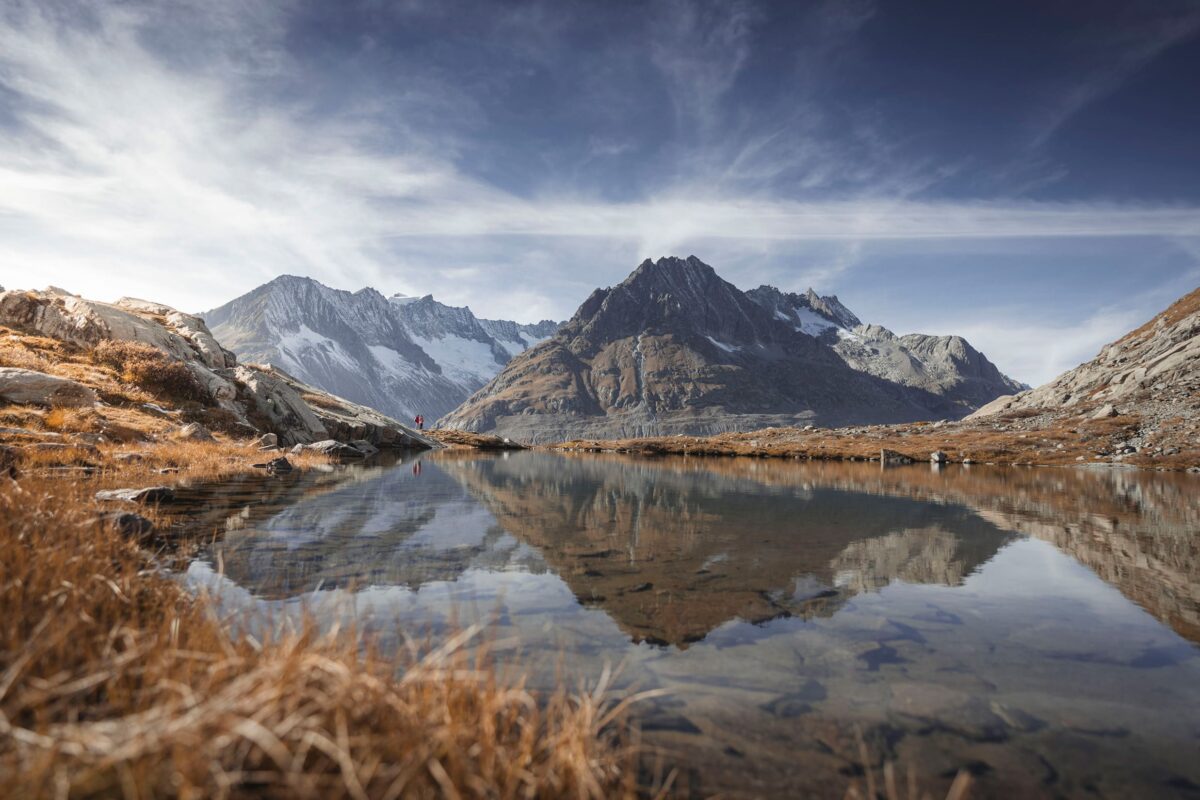
body of water near mountain area

Hiking in the Aletsch Arena

Find your hiking trail in the Aletsch Arena

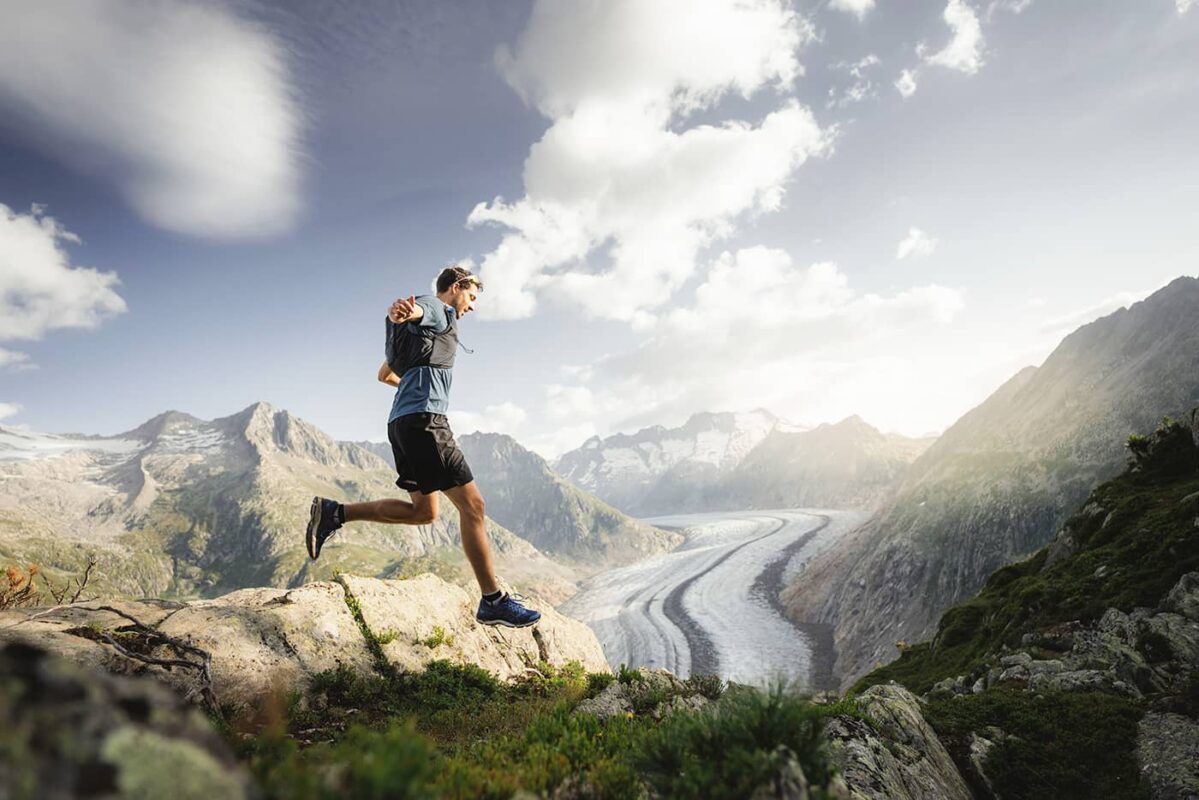
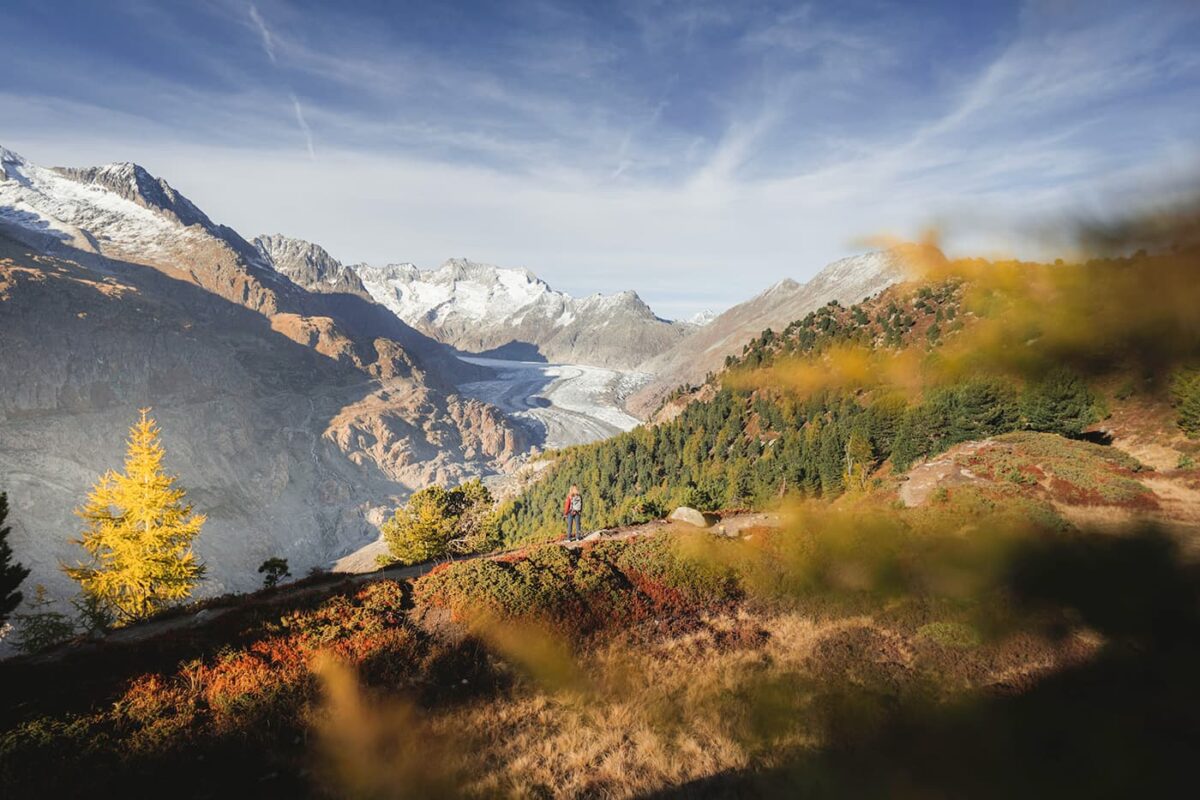
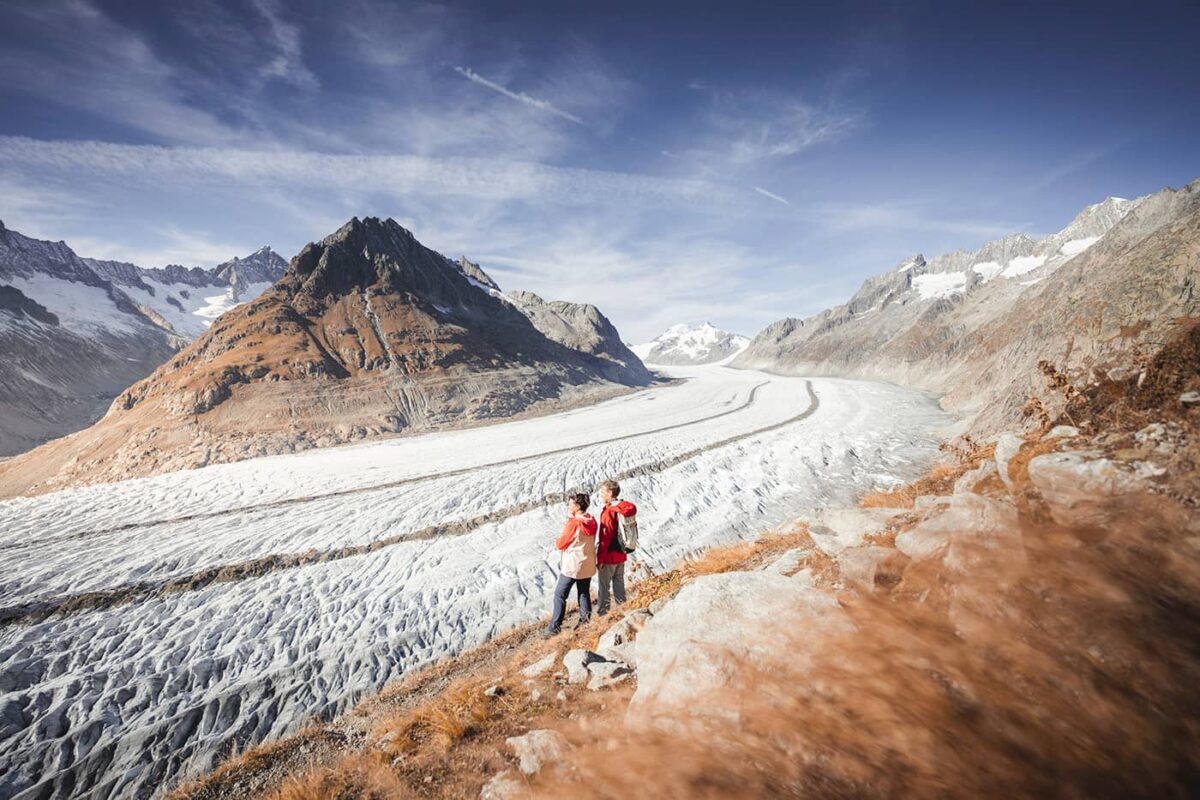
In the beautiful Swiss Alps in the region of Wallis, or Valais in French, you’ll find a gem of a hiking area. This is the Aletsch Arena, home to the largest glacier in the Alps, the Aletsch Glacier. The Aletsch Arena is comprised of wooden chalets in its traffic-free villages, making it a perfect basecamp for your day-hiking trails.

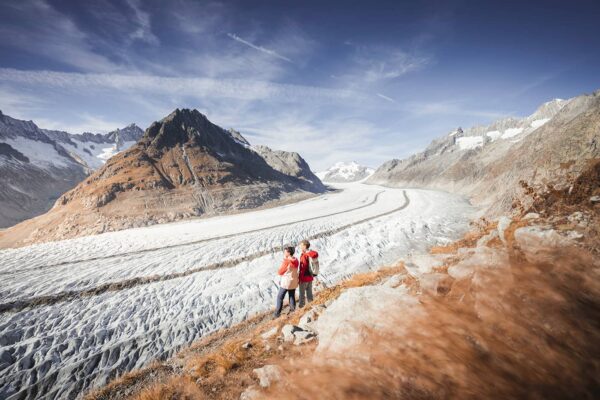
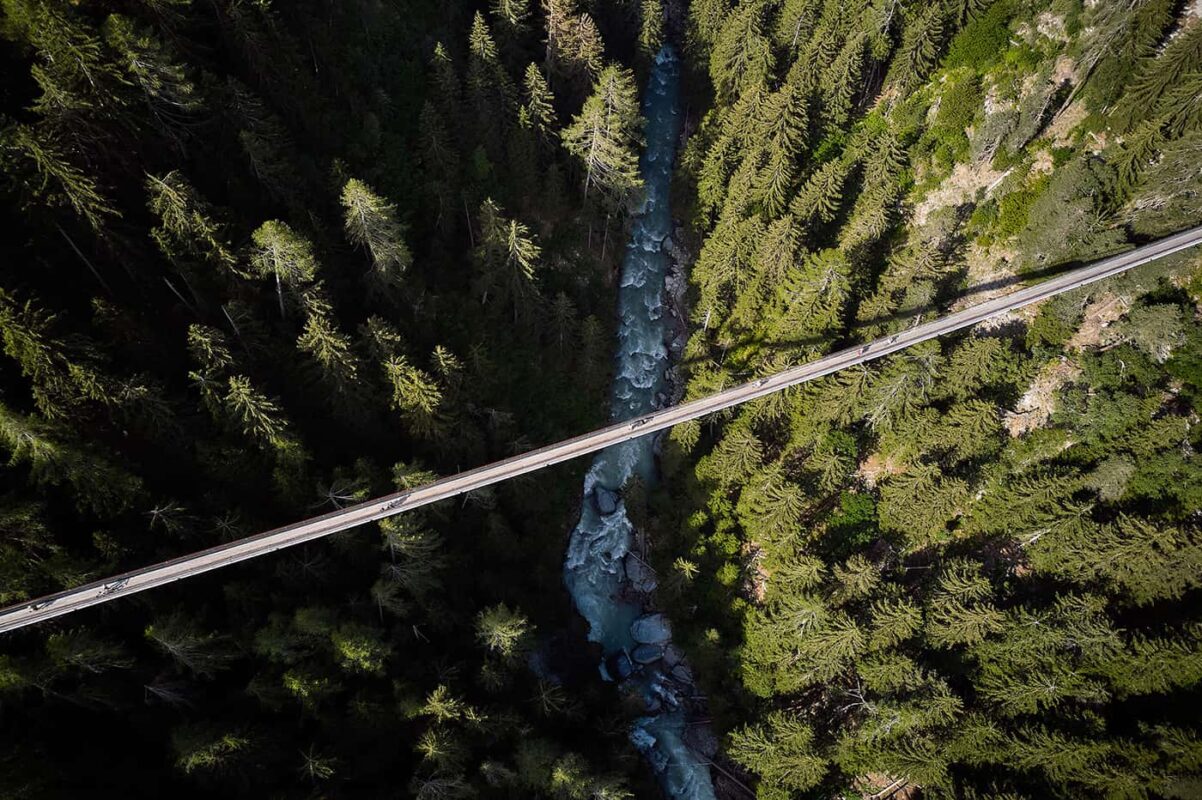
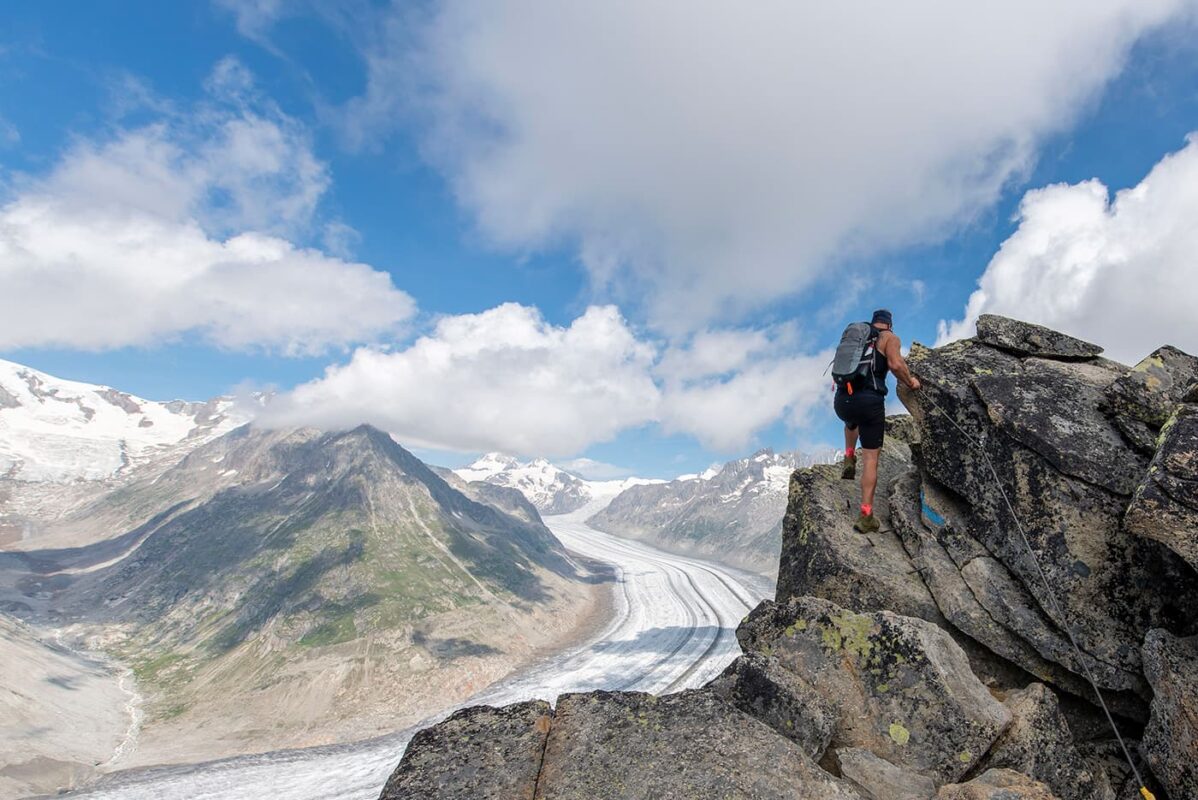
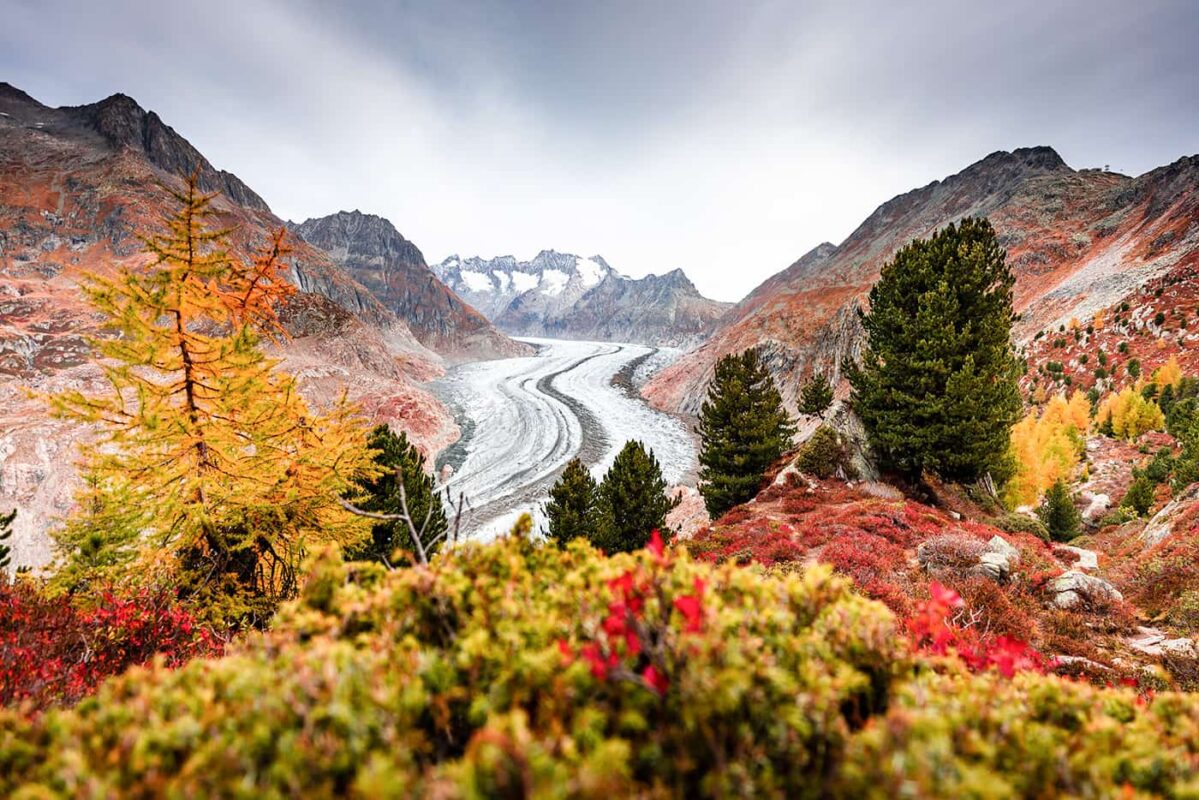
Hike over long suspension bridges on high alpine paths and along stunning long-distance trails. The centerpiece, of course, is the Aletsch Glacier itself. It’s the largest glacier in the Alps, stretching over 20km, and is made up of 11 billion tons of ice from the Eiger, Mönch, and Jungfrau peaks. Its meltwater carves through Massa Gorge into the Rhone. Recognized for its breathtaking beauty, the region has UNESCO World Natural Heritage status. Another highlight of the Aletsch Arena is the stone pine forests that go back up to 1000 years. While hiking through this forest you’ll see a glimpse of the Aletsch Glacier at the time. Magical!
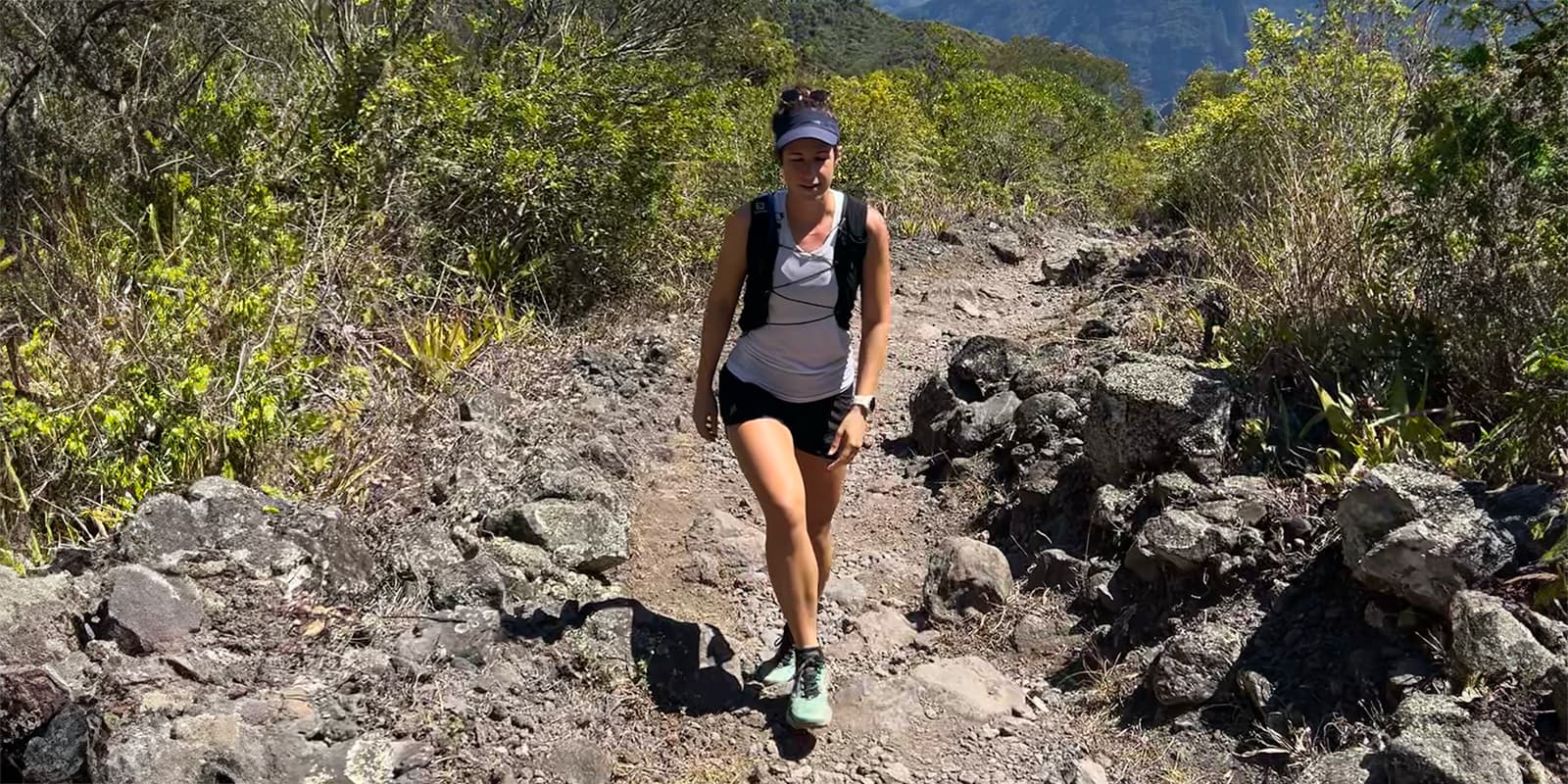
More than 300 kilometers of hiking trails are waiting for you to be discovered. From easy day-hiking trails to difficult alpine long-distance trails, this area has everything to offer for beginners, families, and experienced hikers alike.

Best hiking trails in the Aletsch Arena

Filters

Aletsch Glacier

The Aletsch Glacier is a majestic ice river stretching over 20km, making it the largest glacier in the Alps. This glacier is a vital part of the region’s ecosystem. An absolute must-visit is the Pro Natura Center at Villa Cassel to learn more about the ecosystems and the impact of climate change on the glacier. Surrounded by iconic peaks such as the Eiger, Mönch, and Jungfrau, the Aletsch Glacier is one word: iconic. It’s a big part of the Swiss Alps Jungfrau-Aletsch UNESCO World Heritage Site and symbolizes beauty and fragility in the mountainous glacier areas, attracting visitors and researchers to study its response to climate change.

Suspension bridges

The Aletsch Arena is also known for its five suspension bridges: Belalp-Riederalp, Aspi-Titter, Goms Bridge, Massegga, and Bodmer Bridge. These bridges span impressive distances and are situated in the Aletsch Goms region, where you’ll have breathtaking views of the Wallis landscape from high above the ground. Find out more about these bridges here.

Car-free villages

Halfway to the higher elevations, the sunlit terraces of Fiescheralp, Bettmeralp, and Riederalp are a great place to stay before setting out on the trails. Accessible by six cable cars from the Rhone Valley, these villages can be a starting point for your next hike. With the Aletsch Explore Pass, you can use all of the cable cars in the region, making it easy to explore all hiking trails nearby.

Long-distance trail gear list

Not sure what to bring for your next long-distance trail? It can be hard to find the right gear list. We’ve got you! Here you’ll find a list with all the gear you need for a multi-day hike. Whether you’re hiking the Kungsleden, Tour du Mont Blanc, or Fishermen’s Trail: “light is right” is the name of the game for this list. However, this is not an ultralight gear list. If you’re seeking ultralight gear, consider our thru-hiking gear list. This page focuses on the necessary items to complete your long-distance trail safely. Add more specific items that are important for the trail you choose.
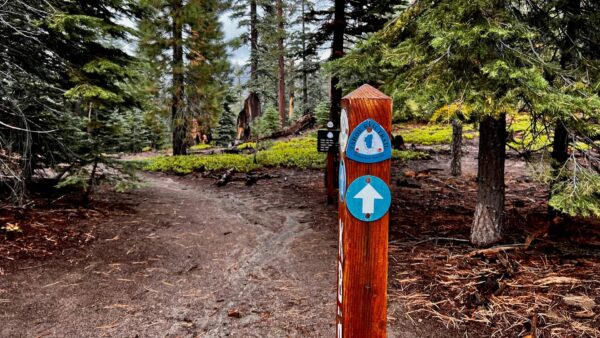
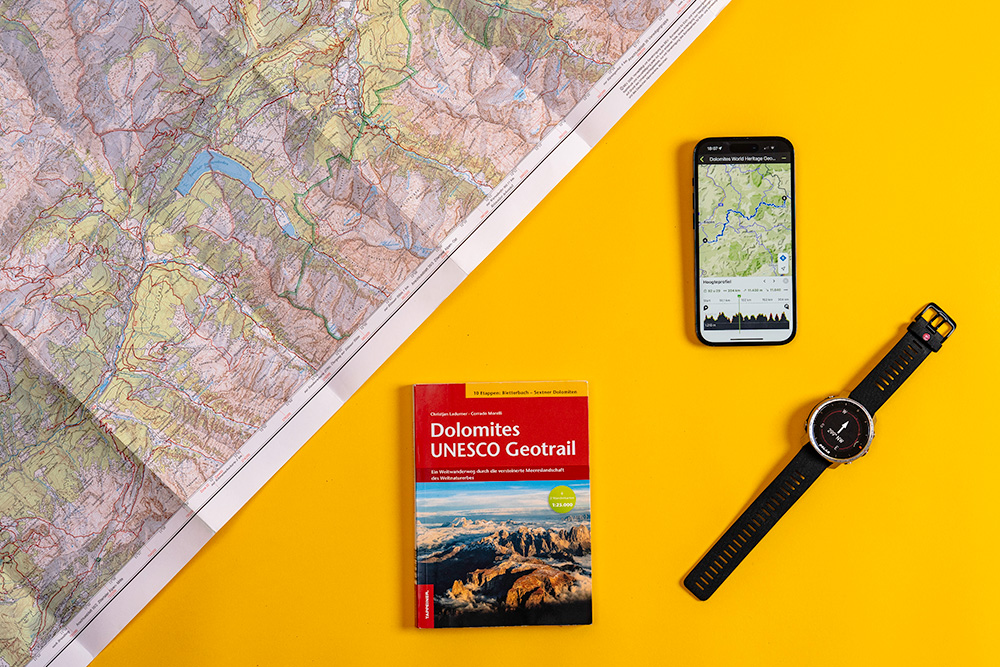
flat lay of navigational itemsTo make your next long-distance trail more comfy, bring some items that are not essential but make hiking more enjoyable for you (and maybe your hiking buddies). Consider items that you won’t just need during the hike but also for the evening in the mountain hut, hostel, or tent. You can think of an e-reader, journal, card game, book with unsolvable Sudoku puzzles, or something else. Make it more fun!
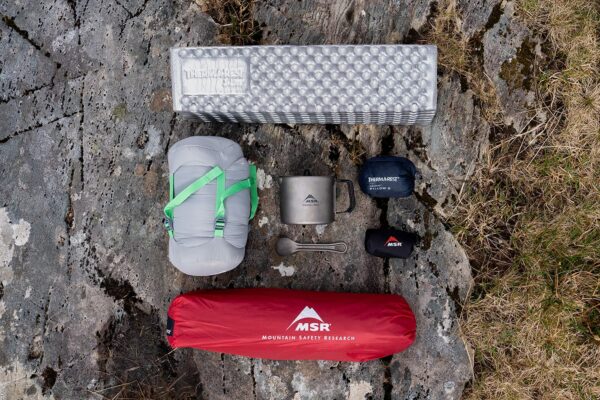
You’ll find the full gear list if you scroll down a bit more. We’ve outlined a few items that are the most important for your long-distance trail. If you click on the links you’ll be redirected to the brands we recommend and our most trusted outdoor gear shops where you can buy gear.

women walking through rain
man changing settings on his watch


Most important items

These are essentials for your next long-distance trail. It’s not much, but each item is necessary. Choose always to invest in the right quality gear when you have the possibility. It’s more sustainable and keeps you safe on your trails.


  • Hiking shoes – sturdy & comfy with a good grip
  • Backpack – 40-60 liters
  • Rainwear – preferably a hardshell jacket
  • Clothing – layers & socks
  • Food – energy bars, nuts & chocolate, for example
  • Water bottle or bag – carry at least 1.5L with you
  • First aid kit – for emergencies
  • Hiking poles – to support your knees
  • Power bank – when there are no outlets nearby
  • Headlamp – for the late evenings
  • Trash bag – Leave No Trace
  • Cash – always handy, especially at mountain huts
  • Sun protection – sunglasses, sunscreen, and a hat
  • GPS device – for navigation

Top brands for your gear

Hiking shoes

Good hiking shoes provide comfort, grip, and protection against rugged terrains, keeping you safe during your long-distance trails.

LOWA HOKA

Backpack

Essential for all the gear you bring, designed to distribute weight evenly, making it easier to transport water, food, and gear.

GREGORY deuter

Rainwear

A shield against the elements, because even when the weather looks good in the morning, it can always switch up on you.

Jack Wolfskin Rab equipment

Layers

Layers protect you against fluctuating weather conditions. Take at least three layers with you, a base-, mid-, and outer layer.

Jack Wolfskin Rab equipment Pinewood

Water bottle

Vital for staying hydrated and maintaining energy levels during your hike. Always take at least 1.5 liters of water with you.

SIGG Nalgene

Socks

More than just for comfort, the right socks prevent blisters, wick moisture, and provide cushioning over long distances.

Injinji Darn Tough

First aid kit

A compact lifesaver, equipped to ensure minor setbacks don’t turn into major emergencies on the trail. Also great for helping others.

Ortovox First Aid Kits

Hiking poles

Assist in maintaining balance on technical terrain, reduce knee strain on descents, and help you get up that mountain.

LEKI Black Diamond

Powerbank

An lifeline for keeping navigation and communication lines open at all times. Carrying one is a small effort for big advantages.

Xtorm Xtorm solar

Navigation device

Keeps you on the trail without using your phone so you can save battery. We always recommend bringing at least a watch for navigation.

Polar Garmin

Headlamp

A headlamp is crucial for early morning, longer days and evenings, and for when you’re racing against sunset on trail.

Petzl Black Diamond

Sun protection

Sun protection is not only sunglasses but can also be sunscreen and a sun hoody to keep you cool and safe on the trail.

UVEX sunglasses Goodr sunglasses

Lightweight tent

Your shelter night after night during all kinds of weather conditions. Go lightweight or ultralight.

MSR Big Agnes

Sleeping bag

Choose something that will keep you warm in colder conditions but is still breathable.

Therm-a-Rest RAB

Sleeping pad

Gives you comfort and keeping you warm while you’re cowboy camping or in your lightweight tent.

Therm-a-Rest NEMO


Complete long-distance trail gear list

Essentials

  • Hiking shoes
  • Backpack with rain cover
  • Clothing: T-shirt, fleece jacket, down jacket, shorts, long pants, base layers (an underlayer, for example, of merino wool), underwear, and hiking socks
  • Rainwear: (hardshell) jacket and pants
  • Quick-drying towel
  • Hiking poles
  • Water bottle or sack
  • Cap, sunglasses, and sunscreen
  • Power bank
  • Water (at least 1.5 liters)
  • Water filter
  • Food: energy-rich food (nuts, chocolate, energy bars, muesli balls, wraps)
  • First aid kit with an emergency blanket
  • Roll with small garbage bags
  • Headlamp
  • Gloves & hat (for colder conditions & high elevations)
  • Personal hygiene items (toothbrush, toothpaste, soap, shampoo etc.)
  • Personal items (mobile, passport, cash etc.)
  • Pocket knife

For navigation

  • GPS watch
  • Map of the area
  • Navigation app on your mobile (Alltrails, Komoot, Hiiker, Outdooractive)


For camping

  • Lightweight tent with a footprint (groundsheet)
  • Sleeping bag
  • Sleeping pad
  • Inflatable pillow
  • Cooking gear (stove, pan, spork, lighter)
  • Freeze-dried meals
  • Water filter or purification tablets
  • Sitting pad

As for every gear list, add specific items that are important for the trail you choose and the circumstances you’re hiking in. Think of insect-repellent, crampons, ice axes, microspikes, and other specific hiking gear to ensure your safety. If you’re hiking from hut to hut, view our extensive hut-to-hut hiking gear list here.

Hut-to-hut hiking gear list

Need some inspiration for what to pack for your next hut-to-hut hiking trail? Here you’ll find a list of all the gear you need when you’re preparing for a multi-day tour from mountain hut to mountain hut. The great thing about hut-to-hut hiking is that you don’t need to take so much because the mountain huts provide you with food and shelter. As always, add more specific items that are important for the hut-to-hut hike you choose.

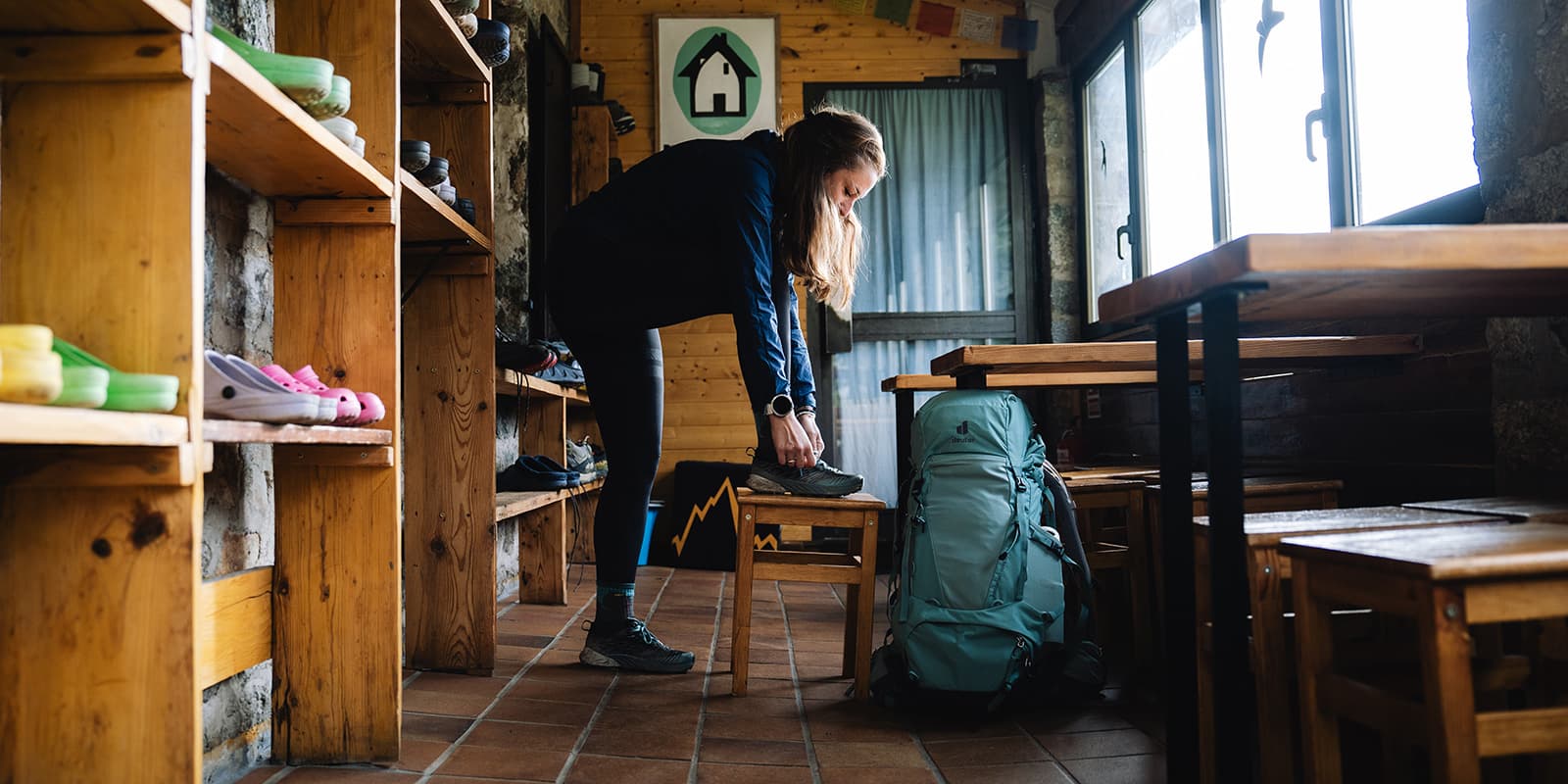
women getting tying her shoes in mountain hut

Hiking from hut to hut is a magical experience. Staying up there, high above the treeline with other hikers in a mountain hut, is a must-do for all hikers. To make your next hut-to-hut hike more comfy, bring some items that are not essential but make hiking more enjoyable. Consider bringing an item or two that’s not just for during the hike but also for the evening in the mountain hut. You can think of an e-reader, journal, card game, a book with unsolvable Sudoku puzzles, or something else. Make it more fun! Most mountain huts also usually have a game corner where you can grab a fun game to play with your friends or other hikers.

You’ll find the full hut-to-hut gear list if you scroll down a bit more. We’ve outlined a few items that are the most important. Note that if you click on the links, you’ll be redirected to the brands we recommend and to the most trusted outdoor gear shops where you can buy the gear.

man hiking towards mountain hut
person using a powerbank


Most important items for hut-to-hut hiking


These are essentials for your next long-distance trail. It’s not much, but each item is necessary. Always choose to invest in the right quality gear when you have the chance. It’s more sustainable and keeps you safe on the trail.


  • Hiking shoes – sturdy & comfy with a good grip
  • Backpack – 30-50 liters
  • Sleeping bag or liner and pillow case – mandatory in mountain huts
  • Rainwear – preferably a hardshell jacket
  • Clothing – layers & socks
  • Food – energy bars, nuts & chocolate for example
  • Water bottle or bag – carry at least 1.5L with you
  • First aid kit – for emergencies
  • Hiking poles – to support your knees
  • Power bank – when there are no outlets nearby
  • Headlamp – for late evenings
  • Trash bag – Leave No Trace
  • Cash – for payments in the mountain huts
  • Sun protection – sunglasses and sunscreen
  • GPS device – for navigation
  • Topographic map of the region

Top brands for your gear

Hiking shoes

Provide comfort, grip and protection against the rocky terrains in the mountains. Choose shoes you’re familiar with.

LOWA HOKA

Backpack

Essential to bring one that is designed to distribute weight evenly, making it easier to carry your water, food, and gear.

GREGORY deuter

Rainwear

A shield against the elements. Mountain weather can change rapidly from a sunny day into rain storms in the afternoon.

Jack Wolfskin Cotopaxi

Layers

Layers protect you against the fluctuating weather conditions in the mountains. Take at least three layers with you, a base-, mid-, and outer layer.

Jack Wolfskin Cotopaxi Pinewood

Water bottle or bag

Vital for staying hydrated and maintaining energy levels during your hike. Bring always at least 1.5 liters of water with you.

SIGG Nalgene

Socks

More than just for comfort, the right socks prevent blisters, wick moisture, and provide cushioning over long distances.

Injinji Darn Tough

Sleeping gear

It is mandatory to bring your own sleeping bag or liner in mountain huts. Not only comfy, also much cleaner!

Rab equipment Therm-a-Rest

First aid kit

A compact lifesaver, equipped for treating minor injuries so they don’t turn into major emergencies.

Ortovox First Aid Kits

Hiking poles

Assist in maintaining balance, reduce knee strain on descents, energy saving and help you get up that mountain.

Leki Poles Black Diamond

Powerbank

There isn’t always electricity in mountain huts, so bring one to keep navigation and communication lines open at all times. Carrying it is a small effort for big advantages.

Xtorm Xtorm solar

Navigation

Keeps you on the trail without using your phone so you can save battery. We always recommend bringing at least a watch for navigation.

Polar Garmin

Headlamp

Crucial because there’s limited energy at most of the mountain huts and after 10 PM, most generators shut off. Also great for early mornings.

Petzl Black Diamond


Complete hut-to-hut hiking gear list

Essentials

  • Hiking shoes
  • Backpack with rain cover
  • Clothing: T-shirt, fleece jacket, down jacket, shorts, long pants, base layers (an underlayer, for example, of merino wool), underwear, and hiking socks
  • Rainwear: (hardshell) jacket and pants
  • Quick-drying towel
  • Hiking poles
  • Water bottle or sack
  • Cap, sunglasses, and sunscreen
  • Power bank
  • Water (at least 1.5 liters)
  • Water filter
  • Food: energy-rich food (nuts, chocolate, energy bars, muesli balls, wraps)
  • First aid kit with emergency blanket
  • Roll of small garbage bags – good for packing out trash and keeping gear dry
  • Headlamp
  • Gloves & hat (for colder conditions & high elevations)
  • Personal hygiene stuff (toothbrush, toothpaste, soap, shampoo etc.)
  • Personal stuff (mobile, passport etc.)
  • Pocket knife

For in the mountain hut

  • Sleeping bag or liner (mandatory)
  • Pillowcase (mandatory)
  • Ear plugs (highly recommended)
  • Flip flops (optional)
  • Card game (optional)
  • Membership card of an Alpine Association for discount (optional)
  • Cash (advised)

For navigation

  • GPS watch
  • Map of the area
  • Navigation app on your mobile (Alltrails, Komoot, Hiiker, Outdooractive) – with offline function

As with every gear list, add specific items that are important for the trail you choose and the circumstances you’re hiking in. For example, if your hut-to-hut hiking trail crosses a glacier, always bring proper gear and know how to use it. Think of ropes, helmets, ice axes, crampons, climbing harnesses, and other specific gear to cross glaciers and ensure your safety. And, in this case, always book a mountain guide when you’re not familiar with these alpine glacier crossings.


Explore more gear lists

Join the community!

Login or create a FREE account 😊

With an account you can:

Download GPX files

Pin trails to your wishlist

Mark trails as hiked by you

Rate hiking trails

Comment on trails, blogs and gear reviews

Happy trails!
Login

Don't have an account yet? Register here