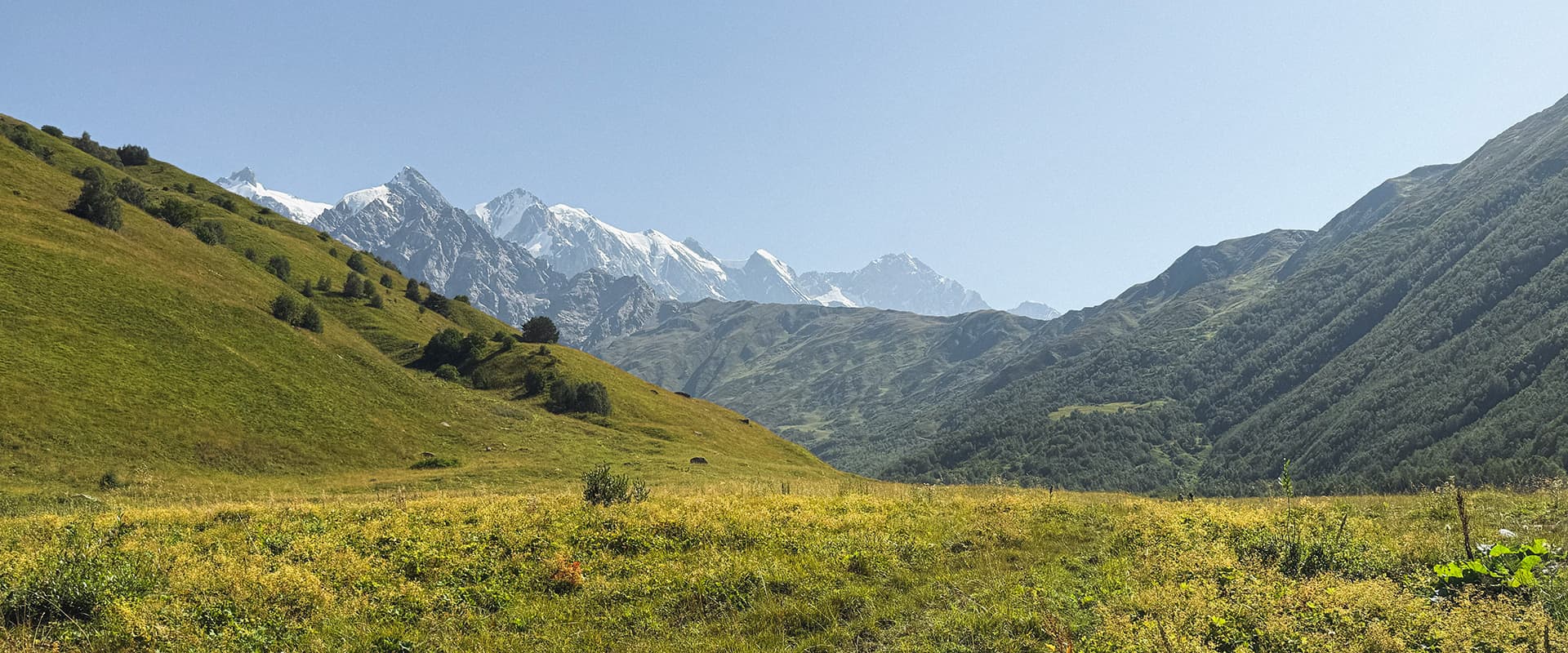
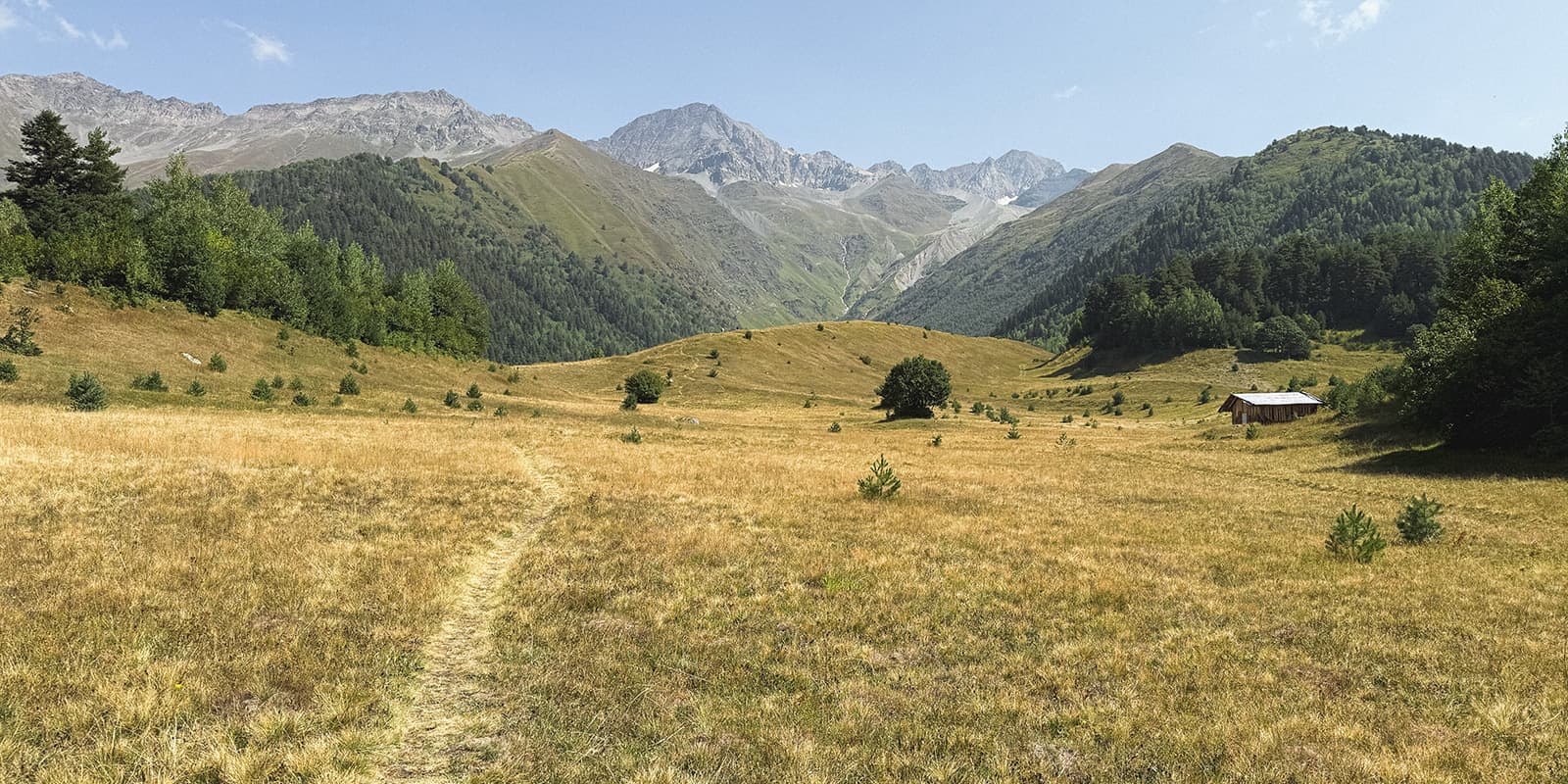
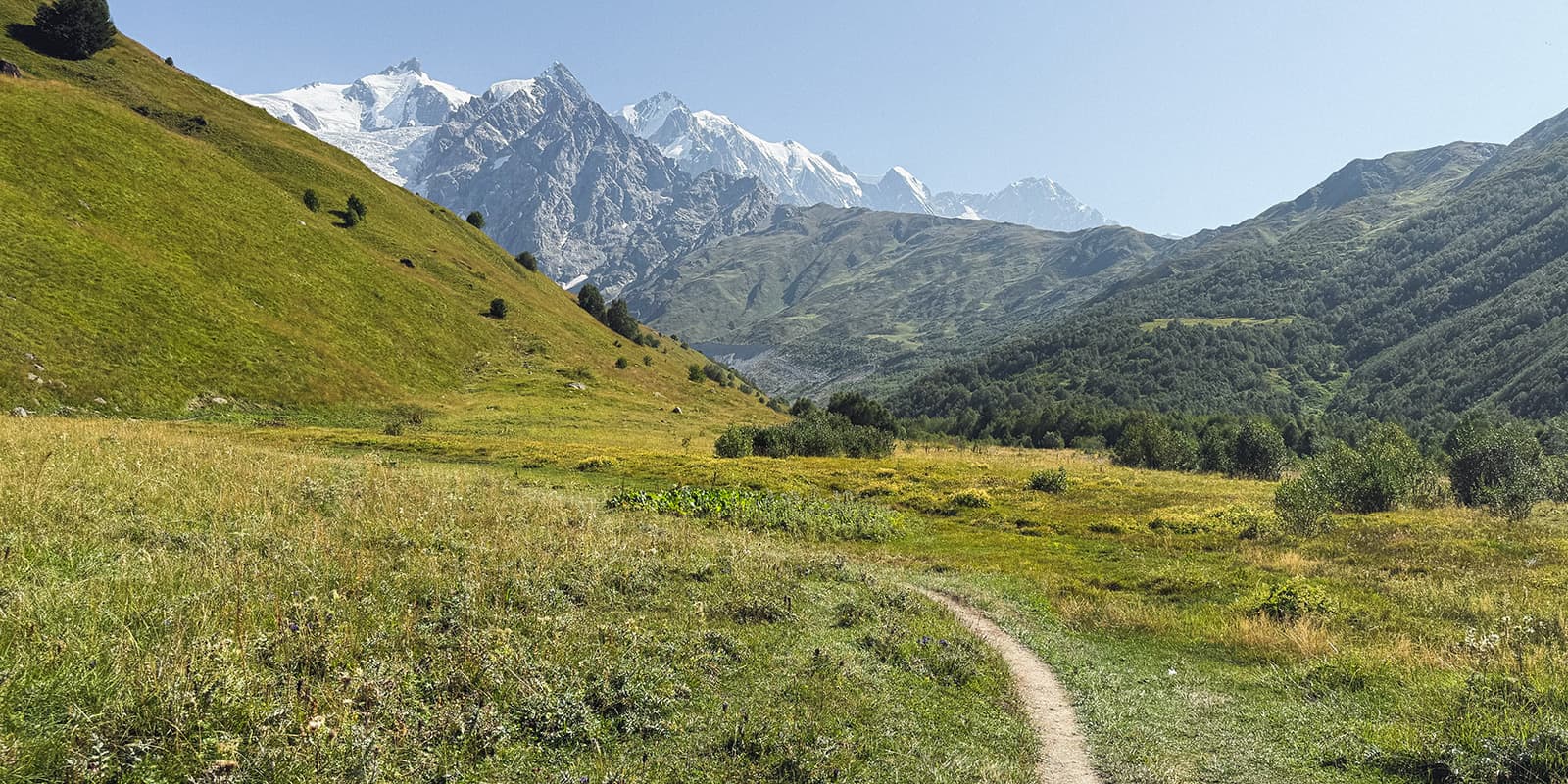
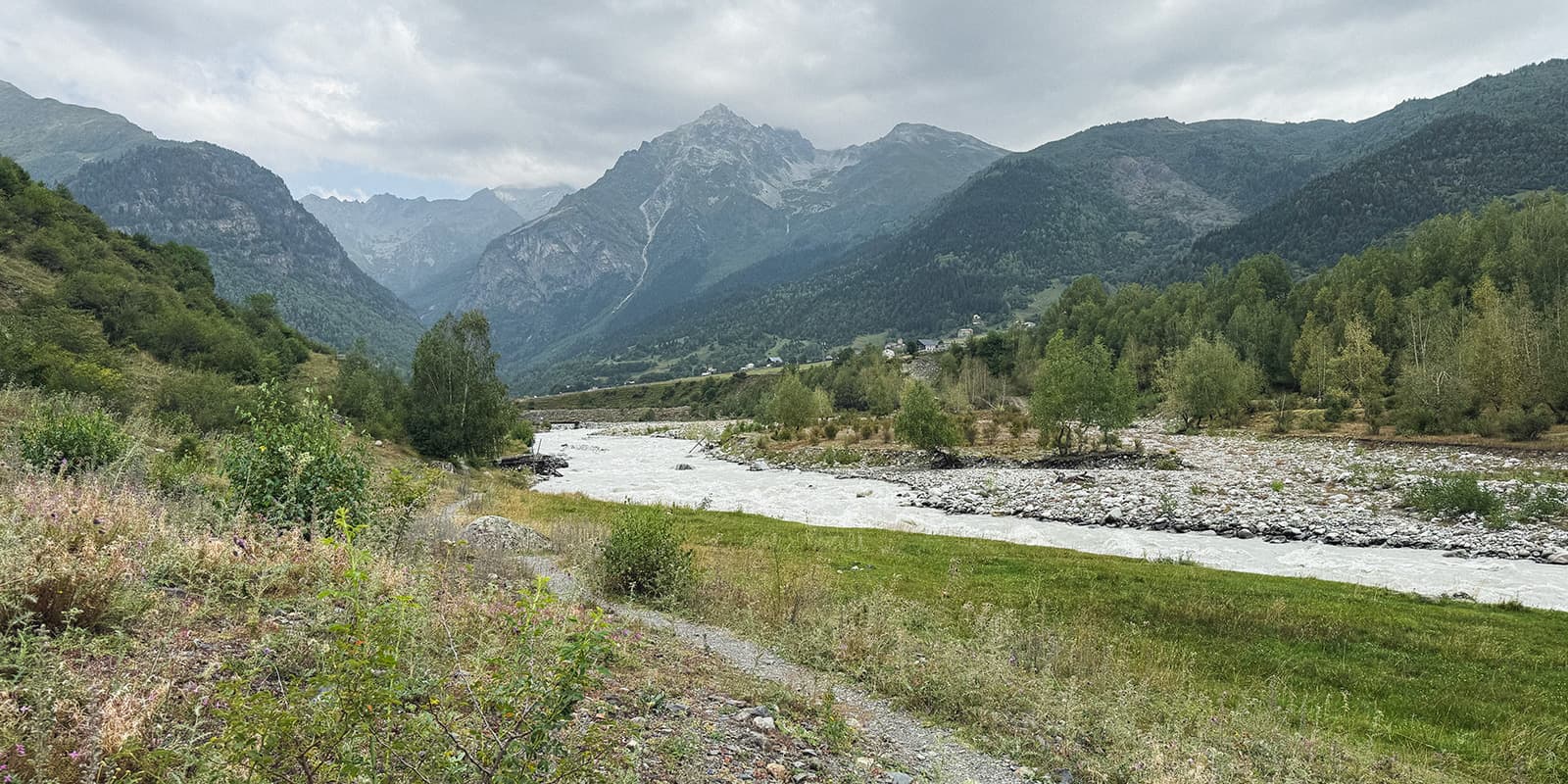
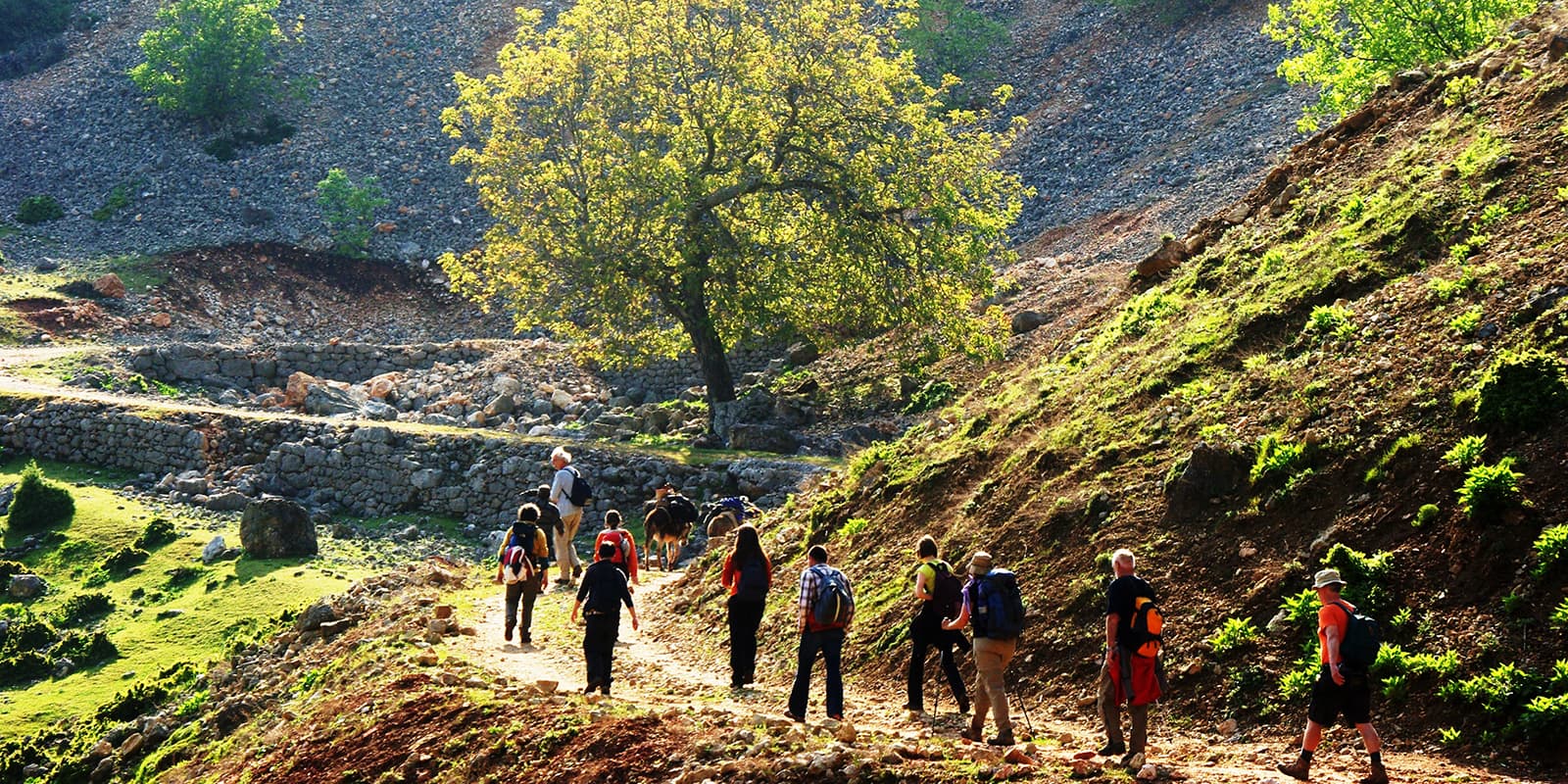
Stage three is the longest of the trek. The signs will point you toward Iprari, which is about one hour before Lalkhori. However, there aren’t many guesthouses in Iprari, so most hikers end up in Lalkhori. Start early to beat the heat in the valley. You’ll hike on a very gradual incline for about 1.5 hours before you reach the river. Here, there are men with horses for hire to cross, which we found to be a good option to avoid any accidents, as the water is glacial runoff and flows very fast. Once you cross the river, you’ll begin a 500M ascent to the Chkhunderi pass (2655M) with the best views of the entire trek. It’s steep, but there are some shaded sections, and you’ll sometimes have the breeze from the Adishi glacier to cool you.
Once you reach the top, you’ll have a few options to climb further for more views or to begin your descent. This is the most spectacular section of the hike, so take your time here! Once you’ve soaked it in, you’ll descend toward Lalkhori on single-track paths. About 1.5 hours before you reach the village, there will be some cafes with snacks and cold drinks as a treat! We stayed at Guesthouse Robinzon in Lalkhori and thought it was great: comfy rooms, delicious food, kind hosts.
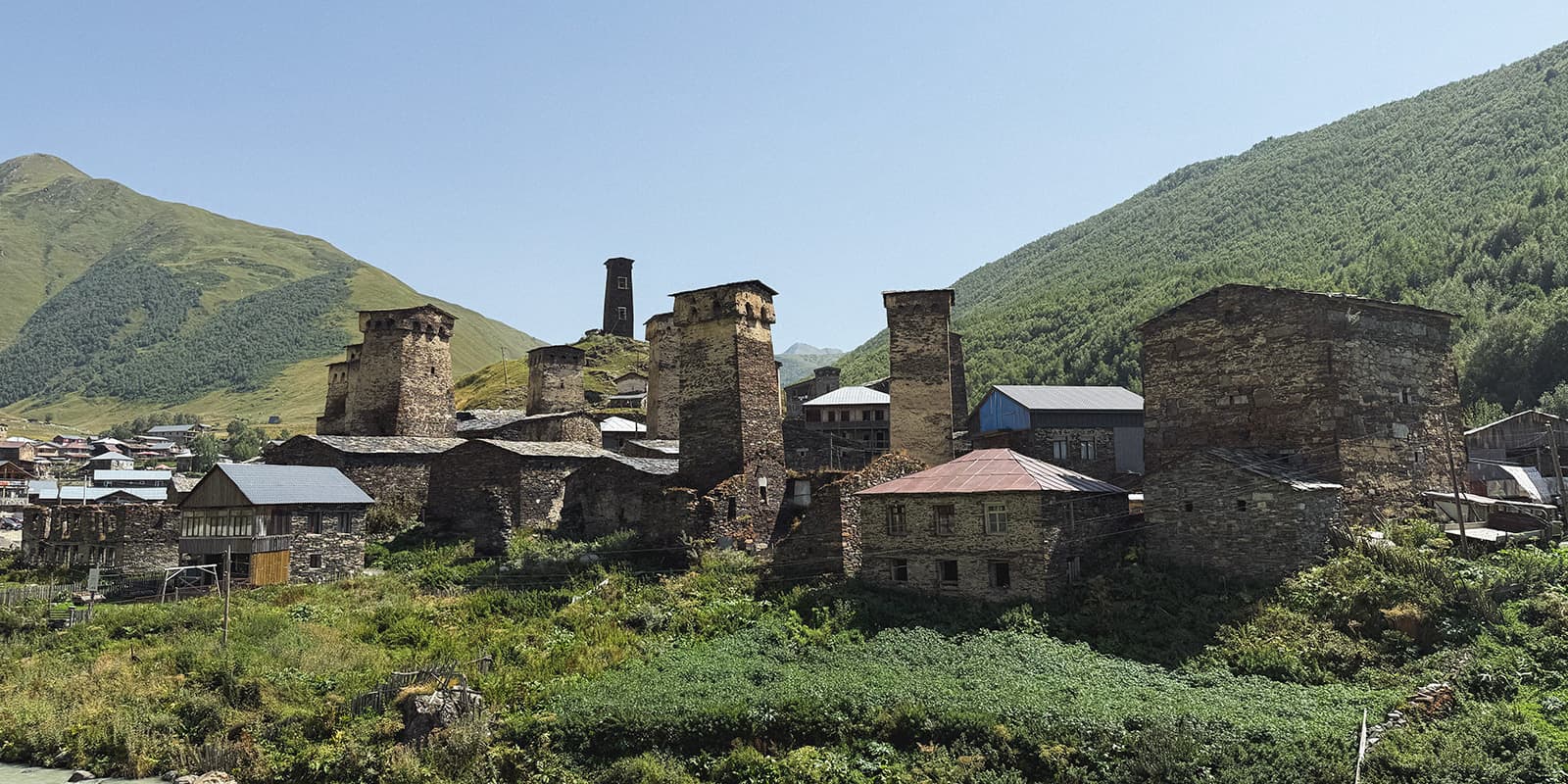
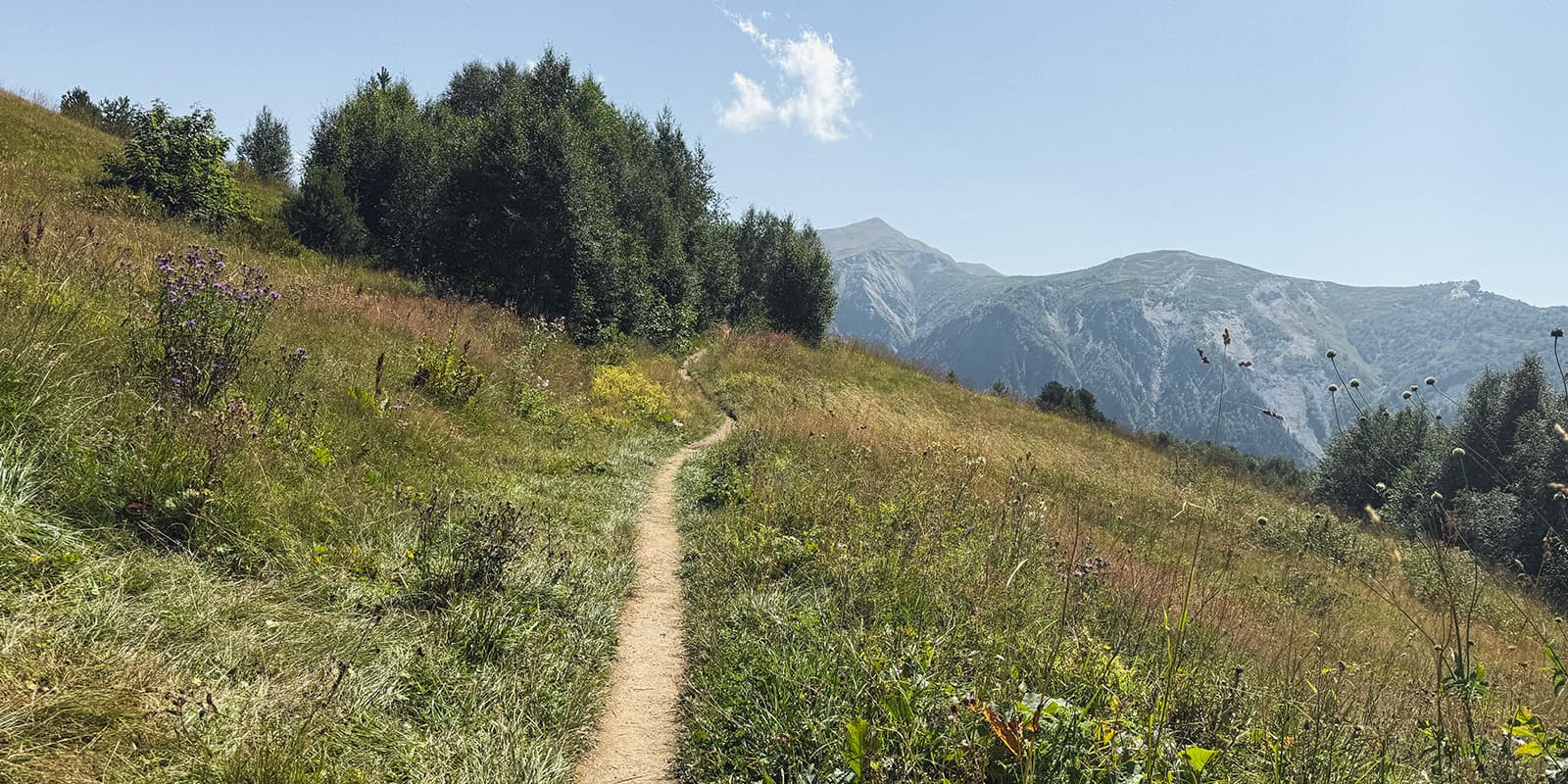
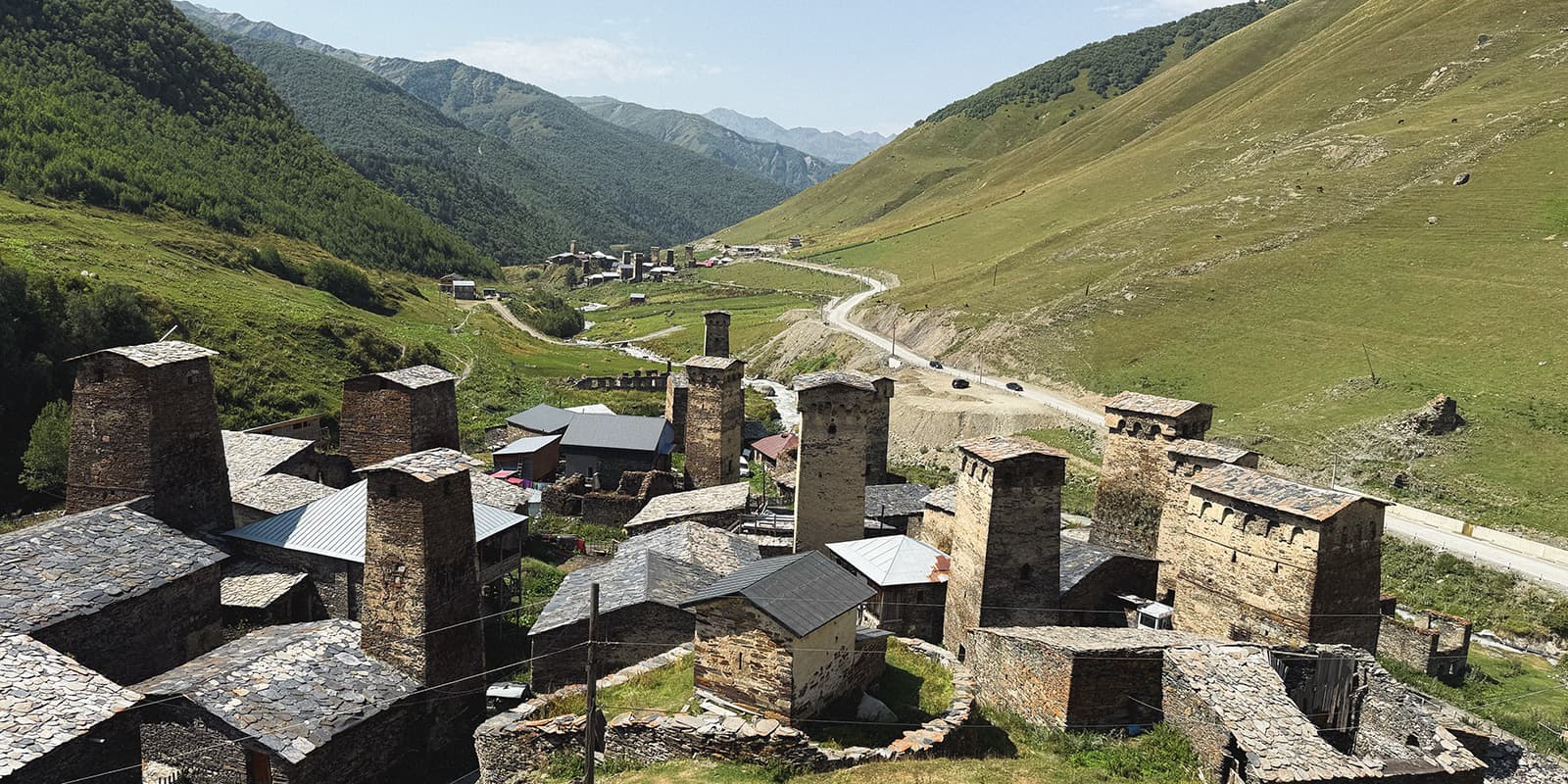
The final stage has a few options to reach Ushguli. We hiked up about 350M to reach a single track and avoid road walking. The path was forested and easy, with some small, wavy hills after the main ascent. You’ll have some final views before you’re led back to the road for the final 45 minutes into Ushguli. Look out for the trail that’s directly above the road on the left side for the most part of this! Ushguli is very special, with so many of the old structures still standing. You can even climb to the top of the Queen Tamar Tower on the hill once you arrive for final views of the region.